 ChampLeagueFinalBet
 Player Cards Betting: The Yellow Card Edge
 Available in US
Yellow cards might seem like the least glamorous betting market available for a Champions League final, but the cards market offers consistent value that sharper bettors have exploited for years. While casual punters focus on goals and winners, the disciplinary markets quietly provide opportunities based on predictable patterns and exploitable inefficiencies.
Finals produce cards at elevated rates compared to typical matches. The combination of high stakes, tight margins, and referee awareness of the occasion creates an environment where bookings accumulate. Understanding why this happens and which players are most likely to see yellow transforms the cards market from an afterthought into a strategic component of final betting.
Factor in discipline on our match analysis portal.
Why Finals Produce More Cards
The average Champions League match produces approximately 3.1 yellow cards. Finals historically run higher, often reaching 4-5 cards per match. Several factors drive this elevation.
Referees assigned to finals are typically experienced officials who understand the stakes and feel responsibility to maintain control. They often set an early tone by booking players for challenges that might receive only a verbal warning in less significant matches. This early card establishes authority and discourages escalation.
Players commit more tactical fouls in finals because the cost-benefit calculation shifts. Stopping a dangerous counter-attack by fouling is worth a yellow card if it prevents a goal in a one-goal match. Throughout the tournament, players might let some attacks develop rather than risk suspension for the next round. In the final, there is no next round to worry about.
The physical and mental intensity of finals naturally produces more flashpoints. Tired players in the second half make mistimed challenges. Frustration builds when attacks break down against organised defences. The pressure of the occasion leads to emotional reactions that draw cards.
Player Selection for Cards Markets
Identifying which players are most likely to receive yellow cards requires analysing both individual tendencies and tactical responsibilities. Some players consistently see cards due to their playing style, while others find themselves in booking-prone positions due to team tactics.
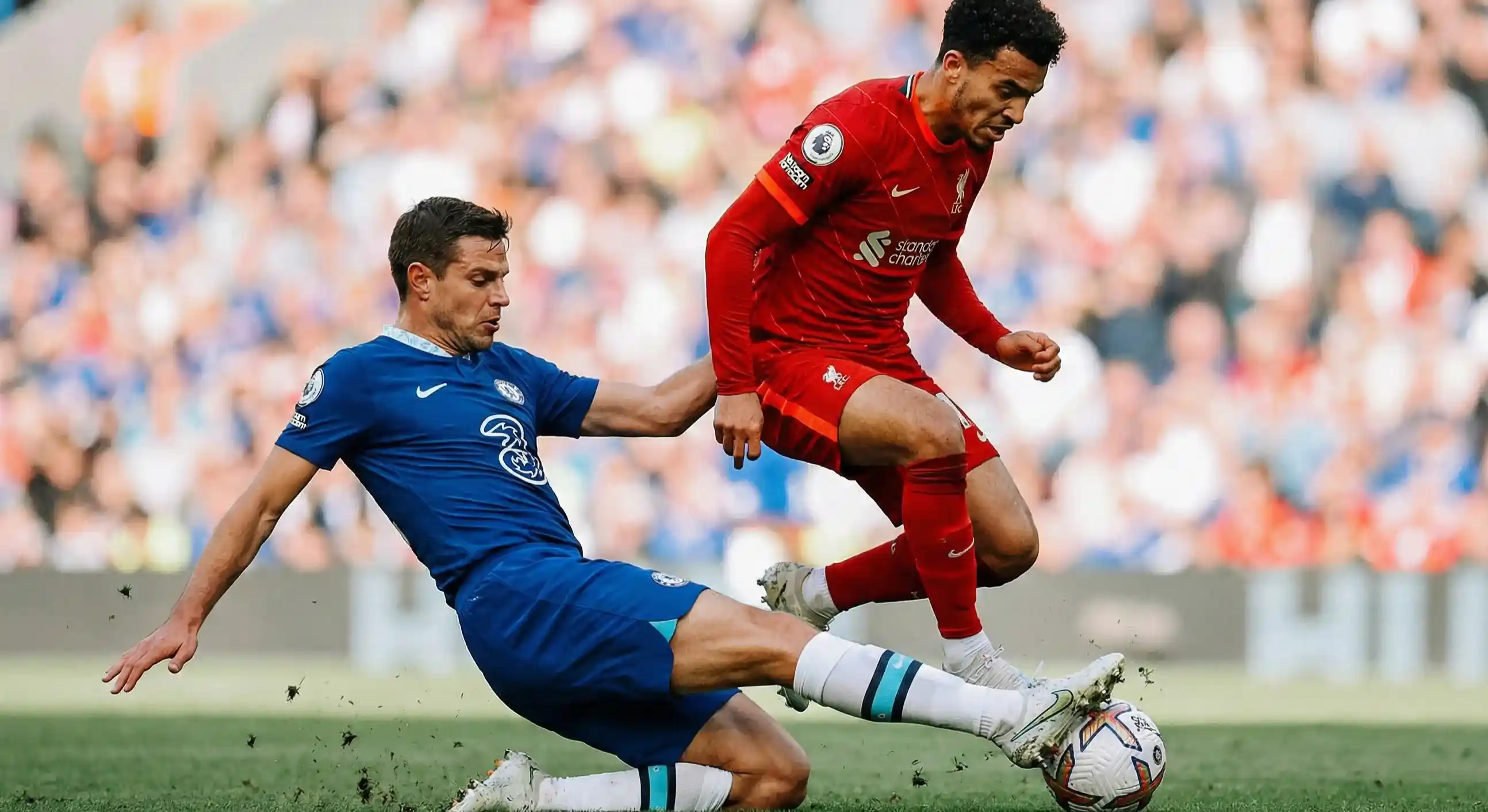
Defensive midfielders are the most reliable card candidates. Players tasked with breaking up opposition attacks regularly make challenges on the edge of legality. Their position in front of the defence means fouls they commit often stop dangerous transitions, exactly the type of challenge referees punish with cards. Casemiro, Rodri, Fabinho, and similar players have accumulated cards throughout their careers because their job description requires it.
Fullbacks facing quick wingers also accumulate cards at elevated rates. When beaten for pace, a tactical foul is often the only option to prevent a dangerous cross or shot. Right-backs facing left-footed wingers who cut inside and left-backs facing traditional right wingers frequently find themselves making these calculated fouls.
Central defenders who play aggressively rather than sitting deep represent another category. Players who step out to challenge forwards rather than holding their line commit more fouls and receive more cards than those who prioritise positioning. Analyse how each finalist's central defenders play to identify booking candidates.
Avoiding the Obvious Traps
Bookmakers know which players have accumulated the most cards during the tournament and price accordingly. The player with eight yellow cards in the group and knockout stages will have short odds for a card in the final. The question is whether those short odds still offer value or whether the market has overcorrected.
Tournament card totals can be misleading because context matters. A player might have multiple cards from early rounds against weaker opposition where they played more aggressively. In the final against elite opposition, they might play more conservatively because the quality gap is smaller. Conversely, a player with few tournament cards might be due for one if they have been fortunate to avoid bookings despite risky challenges.
Check each player's full season card record, not just their Champions League tournament total. A midfielder with fifteen yellow cards across all competitions is more likely to see one in the final than a midfielder with three cards whose Champions League total looks similar due to small sample size.
The referee appointment matters significantly for cards betting. Research the appointed referee's average cards per match in Champions League fixtures. Some officials consistently produce higher card counts than others based on their interpretation of acceptable challenges. A referee averaging 4.5 cards per match creates more opportunity than one averaging 2.8.
Card markets are heavily dependent on UCL referee statistics.
Card Totals and Team Cards
Beyond individual player cards, bookmakers offer total match cards and team card lines. The over/under on total cards typically sits around 3.5 or 4.5, with prices varying based on referee appointment and perceived match intensity.
Historical patterns strongly favour the over on cards in finals. The combination of factors described above creates systematic undercounting of expected cards by the market. When a book prices over 3.5 cards at -120 implying roughly 55% probability, but finals historically produce 4+ cards approximately 70% of the time, significant value exists.
Team card lines ask whether a specific team will receive more or fewer cards than a set number, usually 1.5 or 2.5. Backing over 1.5 team cards at short odds provides high-probability returns, while over 2.5 offers longer odds for teams expected to be under more pressure.
Consider which team is likely to be chasing the match and therefore making more desperate challenges. The underdog often accumulates more cards because they commit more fouls attempting to disrupt the favourite's rhythm. But the favourite's defensive midfielders might also see cards if the underdog plays direct football requiring intervention.
Timing-Based Cards Markets
Some bookmakers offer cards in specific periods: first half cards, second half cards, or cards in particular time windows like 60-75 minutes. These markets allow for more precise betting based on when cards typically occur.
First half cards in finals are often lower than the match average would suggest. Both teams typically start cautiously, referees give more warnings early, and the intensity builds gradually. A first half under 1.5 cards bet can offer value even in finals expected to produce many total cards.
The second half and extra time, if applicable, produce elevated card counts. Fatigue leads to mistimed challenges. Frustration from inability to score builds. Tactical fouls to stop counter-attacks become more common as the trailing team pushes forward. Second half over 2.5 cards at reasonable odds often provides value.
The 75-90 minute window deserves particular attention. This is when desperation peaks, substitutes who are less match-sharp enter and make rash challenges, and the match's outcome becomes clearest. Cards in this period are highly probable in tight finals.
Live Betting on Cards
The cards market remains active throughout the match, with odds adjusting based on cards already shown and the evolving match situation. Live cards betting offers opportunities that pre-match betting cannot access.
After a goalless first half, the second half cards market often offers value because both teams will increase intensity. If one team falls behind, their odds for cards extend because they need to push forward rather than commit tactical fouls. Backing the trailing team's defensive midfielder for a card as they become more desperate can offer excellent value.
If the referee has not shown a card by halftime, the probability of a card in the second half increases because the official will likely feel pressure to establish control. Some referees who start lenient tighten their interpretations as matches develop.
Watch for flashpoints that might produce cards. A heavy challenge that receives only a warning suggests the referee is managing rather than punishing, but also raises the probability that a subsequent similar challenge will draw a card. Players who have received warnings often receive cards for their next foul.
Combining Cards with Other Markets
Cards bets complement other final positions when structured correctly. If you believe the match will be tight and cagey, high cards totals align with that vision because tight matches produce more tactical fouls.
Some bookmakers offer cards-and-goals combinations, such as "over 2.5 cards and under 2.5 goals" at combined odds. These can offer value when the expected match profile fits both conditions, which finals often do: few goals but many cards as teams struggle to break through organised defences.
Player cards combined with other player props create same-game accumulators. A defensive midfielder to be carded plus a striker to score anytime gives you exposure to two players you expect to be central to the match, though ensure the selections are not contradictory.
Avoid combining individual player cards into accumulators unless the odds are exceptionally generous. The variance in individual card outcomes is high, and accumulating three or four players who "should" see cards often produces disappointing results. Each leg that misses destroys the accumulator regardless of how well the others perform.
Value Assessment
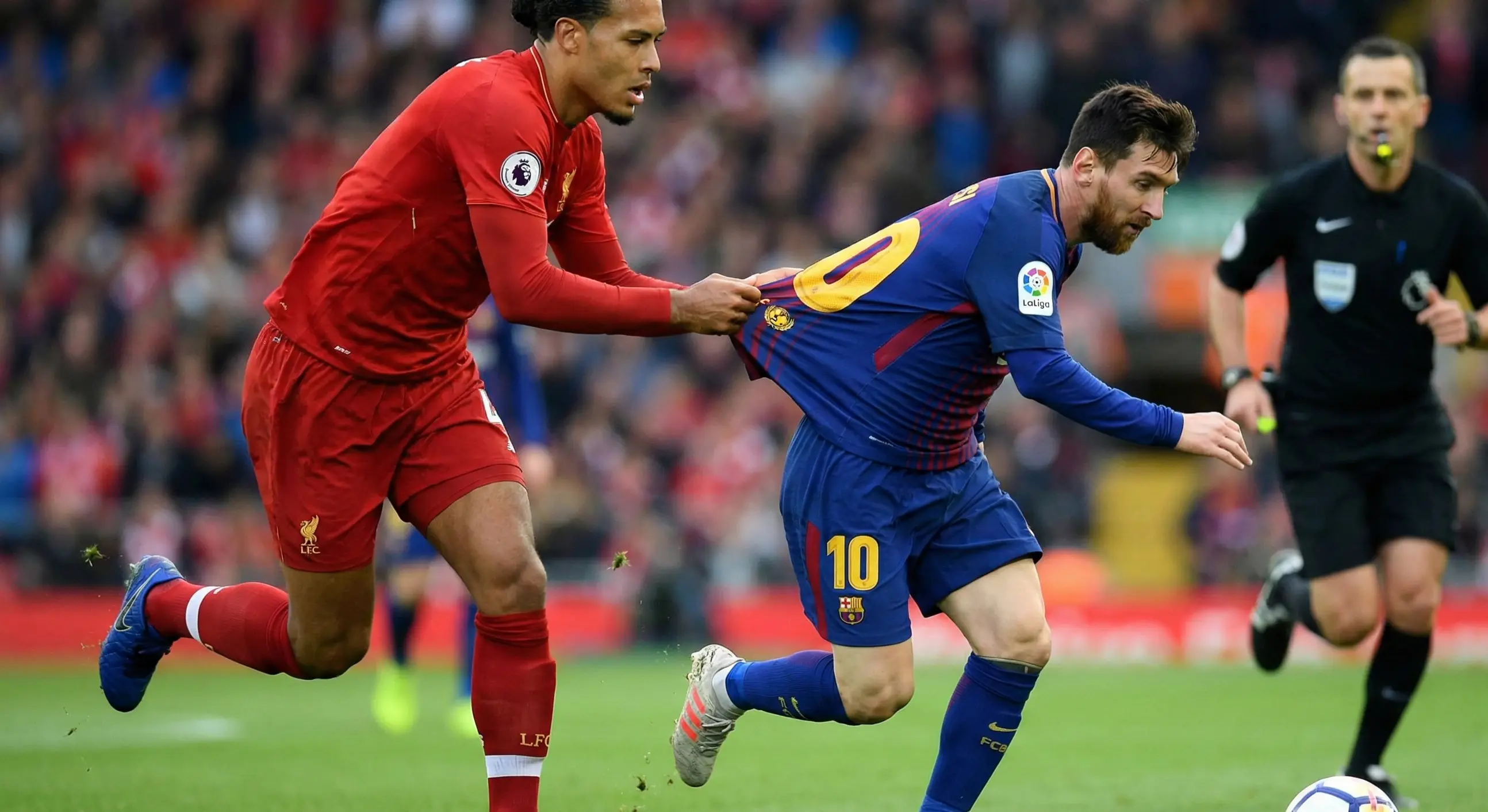
Calculating true value in cards markets requires estimating player card probability and comparing to implied odds. If you estimate a defensive midfielder has 40% probability of seeing a card and the market offers +150 implying 40% probability, there is no edge. If the market offers +180 implying 35% probability, value exists.
Build your probability estimates from season-long card rates adjusted for final-specific factors. A player who sees a yellow card every three matches has roughly 33% base probability per match. In a final, with heightened intensity and aggressive refereeing, that probability might increase to 40% or higher.
Factor in the opponent's style. A defensive midfielder facing a team that plays quick counter-attacks through the centre will make more interventions than one facing a possession-based team that attacks primarily through the flanks. Match-specific context adjusts probability estimates from base rates.
The cards market rewards consistent application of sound methodology. It is not glamorous, and explaining to friends that you profited from a yellow card in the seventy-eighth minute lacks the excitement of celebrating a winning goalscorer bet. But value is value, and the cards market consistently offers it to those who understand its patterns.
Finals create the perfect conditions for cards: intensity, stakes, conservative referees, and desperate tactical fouling. Bettors who recognise these patterns and bet accordingly find an edge that casual punters miss entirely while chasing the more exciting markets.
