 ChampLeagueFinalBet
 Draw No Bet Strategy for UCL Finals
 Available in US
Draw No Bet is the safety net of football wagering. You pick a winner, and if the match finishes level, your stake returns. It sounds straightforward because it is. But in Champions League finals, where draws at regulation time occur roughly 35% of the time, this simple mechanism transforms into one of the most underappreciated tools available.
Most bettors gravitate toward three-way betting because it offers the highest potential returns on a winner selection. They accept the draw as a loss, treating it as just another outcome they failed to predict. In league matches where draws occur 25% of the time, this approach has merit. In finals, where the draw percentage jumps significantly higher, ignoring Draw No Bet means accepting unnecessary risk without adequate compensation.
Choose your winners on our expert final portal.
The Mathematics of Draw Protection
To understand Draw No Bet value, we need to examine how the elimination of one outcome affects pricing. In a three-way market, your bet on Team A must overcome not just Team B winning but also the draw. If pre-match probabilities are Team A 45%, Draw 30%, Team B 25%, your Team A bet faces 55% probability of losing despite them being favourites.
Draw No Bet restructures this equation. Your bet now faces only Team B winning, which in this example is 25% probability. The remaining 75% is either Team A winning (you win) or a draw (you push). This dramatically improves your success rate in exchange for reduced odds.
The price reduction from three-way to Draw No Bet depends on draw probability. Higher draw probability means larger price reduction. In finals where draw probability reaches 35%, the price cut is substantial. If Team A is +120 on three-way money line, their Draw No Bet price might be around -150 to -170. You are paying for insurance, but the insurance is actually useful.
Champions League final draw rates make this insurance more valuable than in virtually any other context. Seven of the last twenty finals required extra time or penalties, meaning the market would have pushed on Draw No Bet. For bettors who correctly identified the eventual winner but lost because the match was tied at ninety minutes, Draw No Bet would have protected their stake and allowed them to at least break even.
When Draw No Bet Makes Sense
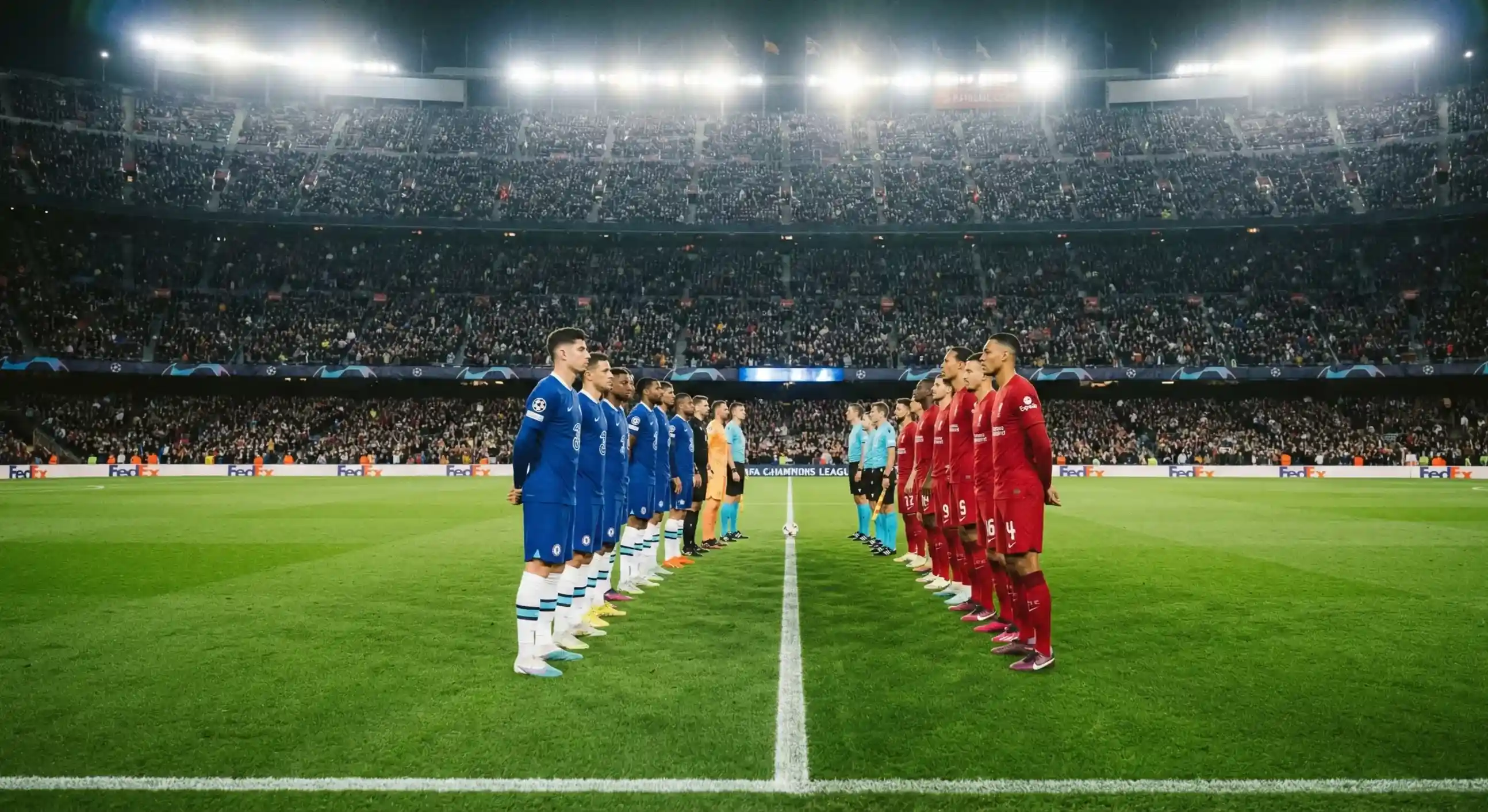
The clearest application of Draw No Bet is when you have strong conviction about which team is better but uncertainty about whether they can win within regulation time. Finals produce this scenario constantly. You might believe Manchester City will beat Inter eventually, but Inter's defensive organisation makes a 0-0 at ninety minutes entirely plausible. Taking City on Draw No Bet protects you if the match goes to extra time where City ultimately prevails.
Another scenario favouring Draw No Bet is when the price difference between three-way and Draw No Bet is smaller than normal. If Team A is -130 on three-way and -150 on Draw No Bet, you are paying only twenty cents for draw protection. In a final where draws happen 35% of the time, that price is cheap. When the gap widens to fifty or sixty cents, the calculation becomes less clear.
Draw No Bet also suits bankroll management strategies focused on survival. If your betting approach prioritises not busting over maximising returns, using Draw No Bet in high-stakes finals limits downside while maintaining upside exposure. You will win less when your team wins outright, but you will not lose when the match draws. Over time, this conservative approach compounds into meaningful protection.
The opposite case, where Draw No Bet offers poor value, is when draw probability is actually lower than the market implies. This is rare in finals but could occur if both teams are exceptionally aggressive and unlikely to settle for a stalemate. In such matchups, the three-way bet on your preferred winner captures better value because draw protection is less necessary.
Draw No Bet Versus Asian Handicap +0
Many bettors confuse Draw No Bet with Asian Handicap +0, and they are indeed functionally identical. Both return your stake on a draw and win when your selected team wins. The difference is entirely in market availability and pricing efficiency.
Asian Handicap markets typically offer tighter spreads and better prices than traditional Draw No Bet markets. This is because Asian books compete aggressively on handicap pricing, while traditional bookmakers often treat Draw No Bet as a secondary product with higher margins. Shopping between the two formats before placing a final bet can capture meaningful value.
On major bookmakers, the price difference between Draw No Bet and Asian Handicap +0 is usually small, perhaps a few cents. On smaller books or less liquid markets, the gap can widen substantially. Always check both options before committing to either.
One practical difference is availability. Draw No Bet appears in most European-focused bookmakers' menus as a distinct option. Asian Handicap +0 requires navigating to handicap markets, which some bettors find less intuitive. For those comfortable with Asian lines, handicap +0 is the preferred execution. For those who want simplicity, Draw No Bet accomplishes the same thing with easier navigation.
Stake Sizing for Draw No Bet Finals
Because Draw No Bet reduces variance compared to three-way betting, some bettors increase stake size to compensate for lower potential returns. This approach has merit within limits but can become counterproductive if taken too far.
The variance reduction from Draw No Bet is real but not transformative. You still face a binary outcome when the match does not draw. If your team loses, you lose your entire stake regardless of which market you used. The protection only activates on draws, which while common in finals, still represent a minority of outcomes.
A reasonable adjustment might be increasing stake by 20-30% compared to what you would risk on three-way betting. This keeps total expected loss comparable while capturing the variance reduction benefit. Going beyond this, doubling or tripling stakes for example, creates excessive exposure to the still-possible losing outcome.
Position sizing should also account for your confidence level. Draw No Bet makes most sense when you strongly favour one team but acknowledge uncertainty about scoreline timing. If your confidence is moderate, the base three-way bet might be more appropriate because the higher odds compensate for lower win probability.
Combining Draw No Bet with Other Markets
Draw No Bet serves as a foundation for building layered positions in finals. The protected winner bet can be combined with separate bets on specific outcomes like correct score, goal totals, or player props.
One popular approach is pairing Draw No Bet on the favourite with a correct score dutch on low-scoring outcomes. You are covered if the favourite wins by any margin through Draw No Bet, while your correct score positions profit if the match lands on specific scorelines. The risk is a high-scoring match where the favourite wins but your correct scores miss. In finals, this risk is historically low.
Another combination uses Draw No Bet alongside live betting triggers. Take Draw No Bet pre-match on your preferred team, then watch for live opportunities to add positions. If your team falls behind early and their live Draw No Bet price improves dramatically, adding to your position captures value while maintaining your original protection.
Avoid combining Draw No Bet with markets that contradict it. Taking Draw No Bet on Team A while also backing the draw separately at longer odds is a form of arbitrage that typically produces negative expected value after accounting for the price cuts on both sides. Either commit to Draw No Bet as your full position or take three-way and the draw as separate bets.
Psychological Factors
Draw No Bet appeals to bettors who hate losing more than they love winning. Behavioural finance calls this loss aversion, and it affects betting decisions more than most people realise. If watching your team dominate for ninety minutes only to draw and lose your bet causes you genuine distress, Draw No Bet might improve your decision-making by reducing emotional interference.
The push outcome on a draw can feel anticlimactic. You correctly identified the better team, they eventually win in extra time or penalties, but your bet merely returns your stake. This is not a win; it is not even profit. Some bettors find this outcome frustrating, feeling they deserved more for their correct analysis.
This frustration is a feature, not a bug. You paid for draw protection through reduced odds. When the draw happens and your stake returns, the insurance worked exactly as intended. The alternative was losing everything on a three-way bet. Reframing pushes as successful protection rather than missed profit helps maintain consistent strategy.
Market Timing and Line Movement
Draw No Bet lines move in response to the same factors affecting three-way and handicap markets. Sharp money on a team pushes their Draw No Bet price shorter while extending the opponent. Public money often appears on favourites, further compressing their Draw No Bet value.
The optimal timing for Draw No Bet bets in finals mirrors general best practices. Early in the week, lines are soft and value can exist on either side. As the final approaches, sharp action shapes the market toward efficiency. By matchday, significant mispricings are rare unless late breaking news creates sudden adjustment.
One timing advantage of Draw No Bet specifically relates to late team news. If a key player for your preferred team is confirmed out shortly before kickoff, their three-way and Draw No Bet prices extend. However, Draw No Bet prices often extend less dramatically because the player's absence affects their winning probability more than the draw probability. This creates a window where Draw No Bet offers relatively better value compared to pre-news prices.
Long-Term Application

Bettors who consistently use Draw No Bet in finals develop a smoother equity curve than three-way bettors. The pushes on draws prevent complete losses in matches that would otherwise destroy positions. Over ten or fifteen finals, this protection adds up to meaningful bankroll preservation.
The trade-off is lower returns in winning years. When your team selection wins comfortably in regulation, you collect less than you would have on three-way. The conservative approach caps your upside while protecting your downside. Whether this trade-off suits you depends on your goals and risk tolerance.
See how this compares to the favorites paradox in finals.
For recreational bettors who bet finals primarily for engagement rather than profit, Draw No Bet offers peace of mind. You can enjoy the match knowing that a draw returns your stake rather than eliminates it. This psychological comfort has value even if the expected value difference between markets is minimal.
For professional bettors, Draw No Bet is a tool rather than a default. It belongs in the toolkit for situations where draw protection offers genuine value at acceptable cost. Using it reflexively on every final would leave value on the table in matchups where draw probability is lower than the price implies. The optimal approach requires match-specific analysis rather than blanket application.
Champions League finals reward conservative positioning more than most matches. Draw No Bet embodies this conservatism, offering a straightforward path to capturing winner selection while eliminating the frustration of draws. It will not produce the biggest wins, but it will prevent unnecessary losses, and in betting, preventing losses is often more important than maximising wins.
