 ChampLeagueFinalBet
Live Betting Strategies for UCL Finals
 Available in US
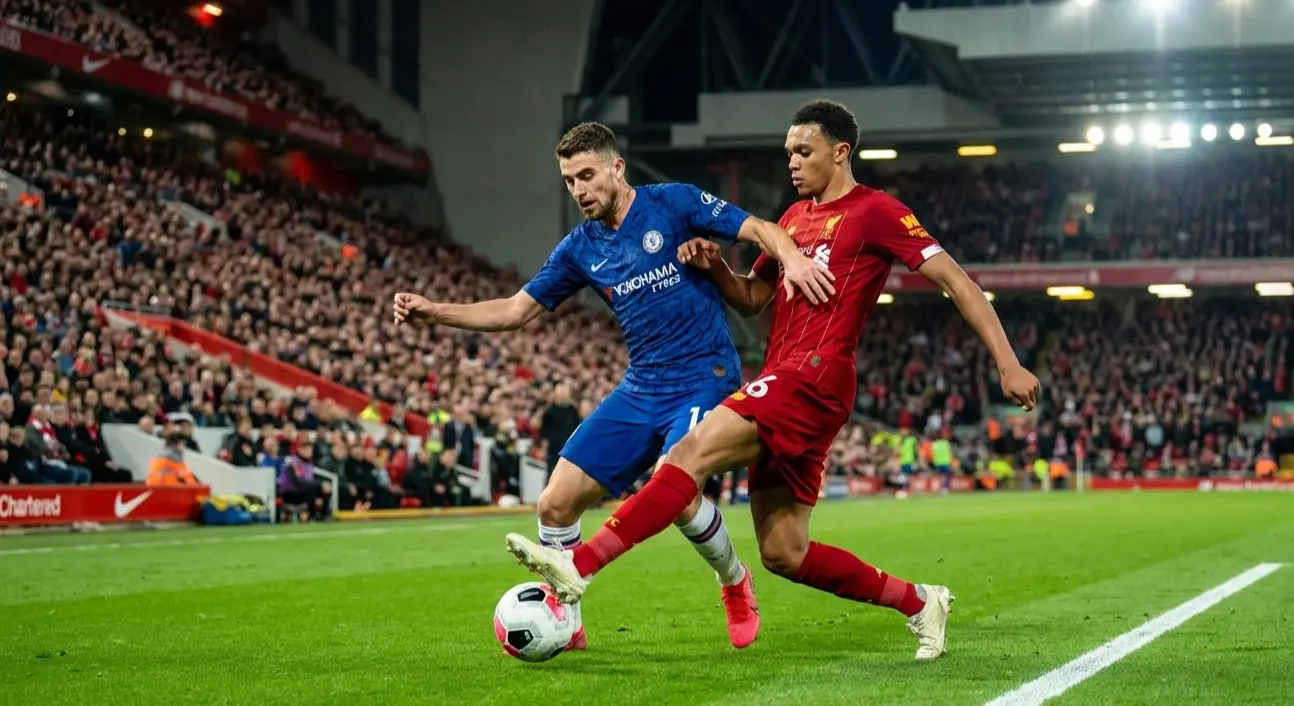
Live betting transforms how professionals approach Champions League finals. While pre-match markets lock in prices based on expectations, in-play betting allows you to react to actual events, exploit market overreactions, and find value as the match unfolds. The key is understanding when markets misprice and having the discipline to act decisively.
Finals produce distinct live betting patterns because their unique dynamics create predictable market movements. The combination of elevated stakes, conservative opening tactics, and high-quality opposition generates opportunities that simply do not exist in regular matches.
React to the match from our live wagering hub.
The First Half Waiting Game
Champions League finals typically start cautiously. Both teams respect their opponents, managers preach patience, and players avoid early mistakes that could prove decisive. This caution means the first half often produces fewer clear chances than the market expects.
If the first half ends 0-0, which happens in approximately 45% of finals, significant opportunities emerge. Markets often overcorrect, pricing the second half as though goals are now guaranteed because the first half was goalless. In reality, the same factors that produced a goalless first half may persist: elite defences, tactical discipline, and pressure-induced caution.
The over/under market provides the clearest opportunity. If pre-match over 2.5 goals was priced at -110, a 0-0 halftime might see over 1.5 goals for the remainder of the match priced similarly. But historical patterns suggest goalless first halves in finals do not automatically produce goal-filled second halves. Value often exists on continued low scoring.
Conversely, if you expected goals and they have not materialised, the second half offers better entry points. Players tire, managers make attacking substitutions, and the trailing team (or both teams in a 0-0) eventually push forward. Backing goals in the second half after a goalless first half can offer value if the price has overcorrected toward unders.
Reacting to the First Goal
The first goal in a Champions League final creates the most significant live betting opportunity. Markets move dramatically based on who scored and when, often overshooting in their adjustment.
When the favourite scores first, their match result odds collapse while the underdog's odds extend rapidly. The market assumes the favourite will control the remainder of the match from their position of strength. But finals have shown that one-goal leads are precarious. Teams protecting narrow leads invite pressure, and equalisers are more common than the post-goal odds suggest.
Backing the trailing team at extended odds immediately after conceding can offer value if you believe the match remains competitive. The trailing team still has seventy or more minutes to equalise in most cases, yet their odds might extend from +200 pre-match to +600 or longer after falling behind. This overcorrection rewards bettors who trust their pre-match assessment.
When the underdog scores first, the market reaction is equally extreme but in the opposite direction. Suddenly the underdog's odds compress dramatically while the favourite's extend. Sharp bettors often back the favourite at this point because the favourite's quality has not diminished simply because they conceded first. Their probability of eventual victory remains higher than post-goal odds typically suggest.
The 60-70 Minute Window
The period between sixty and seventy minutes represents the most active phase for live betting in finals. Managers make tactical substitutions, players tire visibly, and the match's outcome becomes more urgent.
Substitution patterns provide betting information. When a manager introduces attacking players while still drawing or trailing, they are committing to pushing forward. This increases both their probability of scoring and their probability of conceding. Markets that have not fully incorporated this tactical shift offer value.
Defensive substitutions signal the opposite. A team protecting a lead that introduces a defensive midfielder or an extra centre-back is closing the match down. Their probability of conceding decreases while their attacking threat diminishes. Backing under goals or backing them on draw no bet becomes more attractive.
The physical demands of finals in this period create visible fatigue. Players who have run ten kilometres are slower to close down, slower to recover position, and more likely to make mistakes. Space that did not exist in the first half suddenly appears. This is when finals often produce their decisive moments.
Discover the best entry points by knowing when to bet on the final.
Market Overreactions to Exploit
Live betting markets consistently overreact to certain events, creating predictable value opportunities.
Yellow cards compress the booked player's odds for a second booking dramatically. While a second yellow and red card is possible, the player now knows they are walking a tightrope and typically becomes more cautious. Their actual probability of a second booking might increase slightly, but market odds often move as though it is nearly inevitable.
Near misses move goal markets more than warranted. A shot that hits the post or a goalkeeper making a spectacular save creates emotional market movement despite not changing the actual score. If the xG suggests teams are creating quality chances, this market movement might be overcorrection.
VAR reviews create uncertainty that markets sometimes price incorrectly. During a review, odds for various outcomes fluctuate wildly. If you have strong conviction about what the decision will be based on viewing the replay, you can capture value before the official announcement.
Injury to a key player extends that team's odds more than the player's actual importance might warrant. Unless the injured player is the goalkeeper or the only goalscoring threat, their team's probability of winning decreases marginally, not dramatically. Market overreaction to injuries offers opportunities.
Cash Out Timing
Most bookmakers offer cash out functionality during live matches, allowing you to close positions early at current market prices. The decision of whether to cash out requires weighing guaranteed profit against potential additional returns.
The mathematical approach compares the cash out offer to your assessment of remaining value. If your pre-match position has moved in your favour and the cash out offer exceeds your probability-weighted expected return from letting the bet run, cashing out is mathematically correct.
In practice, finals introduce psychological factors. The pain of a late equaliser erasing your profit is acute even if the mathematical expected value of letting the bet run was positive. Many bettors accept slightly negative cash out value in exchange for certainty, particularly in high-stakes finals.
Partial cash out options allow you to lock in some profit while maintaining exposure. Taking 50% of your position as cash out while letting 50% run creates a guaranteed floor return while preserving upside. This approach suits bettors who want to participate in the final's conclusion without risking their entire profit.
Specific Market Strategies
Different markets require different live betting approaches.
Match result live betting suits bettors who want to capitalise on scoreline changes. Focus on moments when one team takes the lead and the other's odds extend. Evaluate whether the extended odds reflect true probability or market overreaction.
Over/under goals live betting requires tracking xG and chance quality rather than just the scoreline. A match with five shots hitting the woodwork at 0-0 has different goal probability going forward than a match with zero clear chances. Markets do not always incorporate chance quality accurately.
Asian handicap live lines offer continuous betting opportunities as the match develops. The handicap line adjusts based on scoreline and time elapsed, creating moments where your pre-match assessment suggests value even after the line has moved.
Next goalscorer markets reset after each goal, offering fresh opportunities. Identify which players are likely to benefit from tactical changes or fatigue. A substitute striker entering at seventy minutes against tired defenders might offer excellent next goalscorer value.
Discipline Requirements
Live betting's accessibility creates temptation to over-bet. The constant stream of odds and the emotional involvement of watching the match can lead to impulsive decisions that contradict your pre-match analysis.
Establish clear rules before the match begins. Define which situations would trigger a live bet, what stake sizes you will use, and what odds thresholds represent value. When the situation arises, follow your rules rather than making emotion-driven decisions.
Set loss limits for live betting separate from your pre-match positions. If you lose three live bets during a final, stop betting regardless of perceived opportunities. The match will continue without your additional involvement, and emotional escalation rarely produces good decisions.
Track your live betting results separately from pre-match results. Many bettors who profit pre-match lose their edge in live betting because the skills required are different. If your tracking reveals consistent live betting losses, consider whether this market suits your approach.
Technology and Speed
Live betting rewards quick execution because odds change rapidly. Ensure your betting platform loads quickly, your account has sufficient funds, and you understand how to place bets without delay.
Multiple screens help manage live betting complexity. Watch the match on one screen while monitoring odds movements on another. When you identify value, you can execute immediately without switching between applications.
Some bettors use betting exchanges rather than traditional bookmakers for live betting because exchange odds update faster and spreads are tighter. The trade-off is that exchanges require finding a counterparty for your bet, which can delay execution on less liquid markets.
Integrating Pre-Match and Live Approaches

The most sophisticated bettors view pre-match and live betting as complementary rather than separate. They take pre-match positions on their highest conviction plays while reserving bankroll for live opportunities that might emerge.
Your pre-match analysis informs your live betting. If you identified that a particular team's fullback was vulnerable, watching the match confirms or refutes that thesis. If confirmed, live betting can add to positions that exploit the vulnerability. If refuted, you avoid compounding a mistaken assessment.
Champions League finals deserve both pre-match preparation and live attention. The combination of elite quality, elevated stakes, and unpredictable drama creates betting opportunities that reward those prepared to engage throughout the entire ninety minutes and beyond.
