 ChampLeagueFinalBet
 Champions League Final Prop Bets Guide
 Available in US
The beauty of prop betting on a Champions League final lies in its democratic nature. While the match result market might be dominated by sharps with sophisticated models, prop markets offer opportunities for anyone who watches football closely. That moment when you notice a fullback has been getting forward more in recent matches, or a midfielder has developed a habit of picking up yellows in big games—these observations can be worth real money in the prop betting markets.
I remember my first successful Champions League final prop bet like it was yesterday. Liverpool versus Milan, 2007. I'd noticed Gennaro Gattuso had been increasingly reckless in the knockout rounds, collecting cards like stamps. The bookmakers had him at 5/1 to be booked. He was cautioned after thirty-seven minutes for a trademark aggressive challenge. That single observation turned into a month's rent. Since then, I've been obsessed with finding value in the dozens of prop markets that bloom around every Champions League final.
What makes prop betting particularly fascinating is how bookmakers struggle to price these markets accurately. They pour resources into getting the match result odds perfect, but player props? That's where inefficiencies hide. It's where preparation meets opportunity, where your football knowledge can genuinely give you an edge over the market.
Scout individual value on our prop betting site.
Player Performance Props
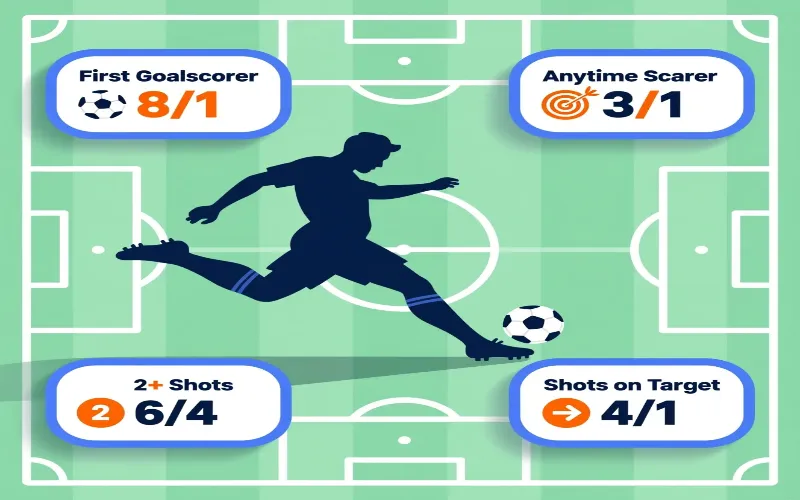
The first goalscorer market is the glamour prop that attracts all the attention, but it's actually one of the hardest to win consistently. Everyone bets on it, which means the margins are fat and the value is thin. Still, there are angles worth exploring if you understand how finals change attacking dynamics.
Star strikers often underperform their first goalscorer odds in finals. The pressure is immense, defenses are organized, and space is at a premium. That prolific striker who's been averaging a goal per game might touch the ball five times in the first half of a final. Meanwhile, defenders pushing forward for set pieces offer surprising value. In the 2014 final, Sergio Ramos at 25/1 to score first was ridiculous value for someone who lived in the opposition box during corners.
The anytime goalscorer market is more forgiving and often offers better value. You don't need to predict when the goal comes, just that it will. Central defenders at 8/1 or longer to score anytime in a final are often worth a small stake. Finals average more set pieces than regular matches, and defenders know this might be their only chance at Champions League glory—they attack corners with unusual aggression.
Shot markets have exploded in popularity, and for good reason. They're more predictable than goals and offer multiple ways to win. A player to have 2+ shots often prices around even money for attacking players, but the value might be on defensive midfielders at longer odds. When teams sit deep in finals, those players arriving late in the box often get shooting opportunities.
Shots on target requires more precision but offers better prices. The key is identifying players with good shooting technique who also take set pieces. Free kicks from 25-30 yards might not score, but they often hit the target. A dead-ball specialist at 4/1 to register a shot on target can be tremendous value.
The assists market is where tactical knowledge pays off. In tight finals, assists often come from set-piece delivery rather than open play creativity. That creative midfielder everyone's backing might be marked out of the game, while the fullback who takes corners quietly offers 12/1 to provide an assist. I've made good money over the years backing unglamorous assist providers in finals.
Team-Specific Props
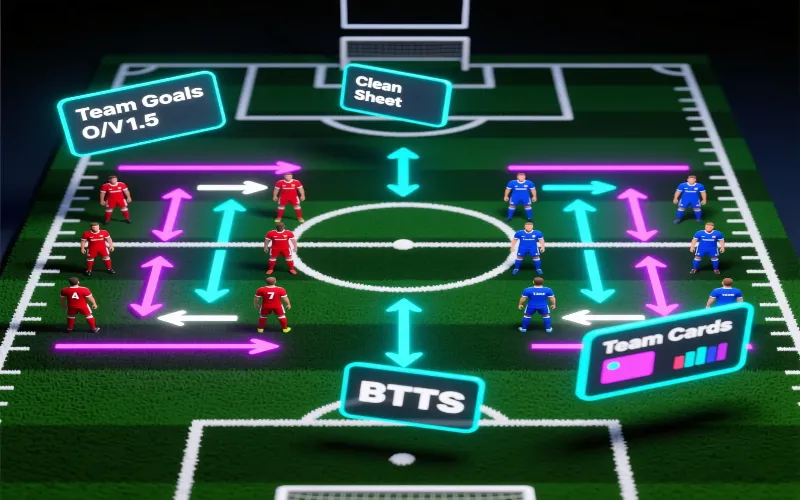
Team props offer a middle ground between match betting and player props. They're less volatile than individual player bets but more specific than simple match results. Understanding how teams behave in finals versus regular matches is crucial for finding value here.
Team goals markets in finals require special consideration. The over/under lines are usually set lower than regular matches—often at 1.5 for favorites and 0.5 for underdogs. But here's what many miss: teams that score first in finals often shut up shop. Backing the favorite under their team total after they score first is a consistent live betting angle.
The "both teams to score in both halves" prop at astronomical odds is usually a sucker bet, but "team to score in both halves" can offer value. Teams that equalize before halftime often push hard after the break, making them good candidates for scoring in both halves at odds that don't reflect this tendency.
Clean sheet props require understanding defensive motivation in finals. A team protecting a lead in the 70th minute of a final defends differently than in a league match. They'll put every player behind the ball, commit professional fouls, and time-waste shamelessly. The "team to keep a clean sheet" odds often don't fully account for this behavioral change.
Team cards markets are goldmines for observant bettors. Teams trailing in finals average 40% more bookings than when leading. If you can predict which team will need to chase the game, their team cards over becomes valuable. Also consider the referee—lenient officials in finals often let teams accumulate 4-5 yellows without showing red, making team overs more likely to hit.
The "team to win from behind" prop at long odds occasionally offers value. It requires a specific sequence—fall behind, then win—but certain teams have shown repeated ability to do this in big matches. Real Madrid's mentality monsters have made this prop profitable multiple times.
Game Flow Props
These props focus on how the match unfolds rather than the final outcome. They're perfect for bettors who understand momentum and game management in high-stakes matches. The patterns in finals are often different from regular matches, creating opportunities for those who recognize them.
The "race to X goals" markets behave uniquely in finals. "Race to 3 goals" might never have a winner—remember, many finals don't even see three total goals. But "race to 1 goal" at specific times offers interesting angles. Teams that haven't scored by the 60th minute often become increasingly desperate, making the opponent good value in the race to the next goal.
Time of first goal bands price relatively evenly across 15-minute intervals, but finals cluster goals in specific periods. Minutes 1-15 see 22% of first goals as nervousness creates mistakes. Minutes 31-45 see another spike as teams push before halftime. These patterns make certain time bands consistently valuable.
"Next goal wins the match" becomes increasingly likely as finals progress. If it's 0-0 after an hour, this prop often offers value. Teams become so risk-averse that once someone scores, the match often dies. This is particularly true if the first goal comes after the 70th minute.
The halftime/fulltime market offers 9 possible outcomes, but in finals, certain combinations are far more likely. Draw/Draw reflects the cagey nature of many finals. Team A/Draw represents the common pattern of a team scoring early then being pegged back. These specific combinations often offer better value than backing the draw in the match result market.
"Winning margin" props require predicting not just the winner but by how much. One-goal margins account for nearly 70% of decided finals. The "to win by exactly 1 goal" market for either team often provides better value than backing specific correct scores.
Statistical Props
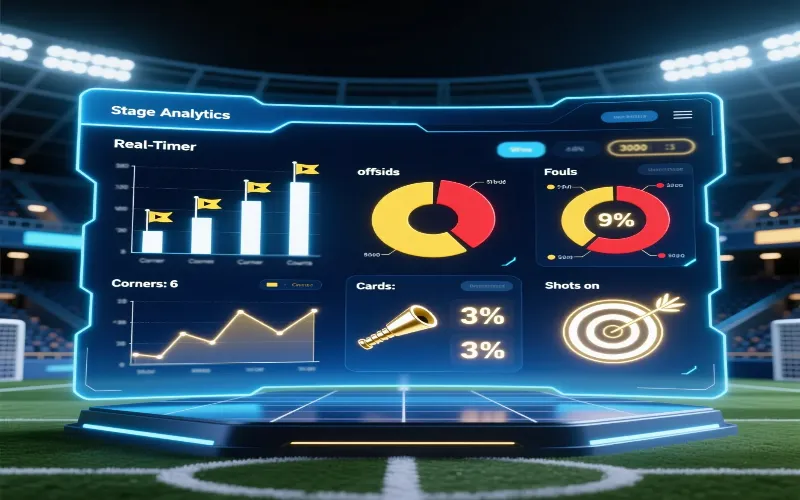
The explosion of data in football has created numerous statistical prop markets. These can offer value because they're less subject to luck than goalscorer props, and patterns are more predictable. Understanding which statistics matter in finals versus regular matches is key.
Corner markets in finals are fascinating. Total corners usually go under the line, as teams prioritize not conceding over creating chances. But corner handicaps can offer value. The team trailing at halftime averages 65% of second-half corners as they push for an equalizer. Live corner betting based on game state is consistently profitable.
Card points markets (yellow = 10 points, red = 25 points) provide more nuance than simple booking markets. Finals average 45-50 card points, higher than the 30-35 in regular matches. The increased stakes and referee reluctance to show straight reds make 40-60 point bands valuable.
Offside markets are underrated. Teams playing high defensive lines in finals create numerous offside situations, but the line is often set too low. The over typically pays well when defensive lines push high to compress space. Pay attention to team tactics—aggressive high lines can generate 8-10 offsides per match.
Fouls committed props correlate strongly with possession. The team with less ball commits 60-65% of fouls in most finals. This creates reliable angles when you can predict possession dominance. Also consider playing styles—pressing teams commit more fouls regardless of possession.
The "total shots" market requires understanding how finals affect shooting behavior. Players shoot less from distance in finals, preferring to work better positions. This means total shots often goes under. However, when teams trail late, they shoot from anywhere, making live overs valuable in the final 15 minutes of tight matches.
Novelty Betting Markets
Novelty markets might seem like fun throwaway bets, but they occasionally offer genuine value because bookmakers price them casually. These markets also add entertainment value, making you notice aspects of the match you might otherwise miss.
"Time of first substitution" has predictable patterns in finals. The first change rarely comes before the 55th minute unless there's an injury. Managers are conservative, reluctant to disrupt rhythm. The 60-75 minute band for first substitution consistently offers value over earlier intervals.
"Method of victory" goes beyond simple match result. "To win in extra time" or "to win on penalties" offer much better odds than backing the team in regular time. If you expect a cagey match, these props provide enhanced odds on your selection while accepting they might not win in 90 minutes.
The "to qualify" market is distinct from match result and often mispriced. The team with better penalty takers or extra-time fitness should be shorter in the "to qualify" market than the "to win in 90 minutes" market. Sometimes this relationship inverts, creating arbitrage-like opportunities.
"Trophy presentation" props emerge at some bookmakers. Will the captain lift it alone or with teammates? Will the manager celebrate on the pitch? These are effectively 50-50 bets that sometimes price at 2/1 or better due to bookmaker uncertainty.
Manager props are underexplored territory. "Manager to be sent to the stands" at long odds can offer value with volatile coaches in high-pressure situations. Technical area restrictions in finals mean one animated protest can result in dismissal. Also consider "manager to be shown a card"—some refs are stricter on touchline behavior.
Value Identification in Props
Finding value in Champions League final props requires a different approach than traditional match betting. The markets are softer, less efficient, and more susceptible to biases that sharp bettors can exploit. Your edge comes from knowing where bookmakers are vulnerable.
The public loves backing household names in props, pushing their odds below true value. Meanwhile, unfashionable players at the same club often offer better value in identical situations. That substitute striker at 15/1 anytime might have better odds than he should because everyone's backing the star at 5/2.
Correlated props often misprice because bookmakers treat them as independent. If you think a match will be high-scoring, combining player shot props creates multiplier effects. Three players to have 2+ shots in a match you expect to see 30+ total shots is different value than the same bet in a defensive chess match.
Late team news creates massive prop value. A midfielder moving to false nine, a fullback playing center-back, a winger filling in at wingback—these positional changes dramatically affect prop probabilities, but odds rarely adjust fully. The hour between team announcement and kickoff is prime hunting time.
Historical patterns specific to teams or players in finals create systematic value. Some players consistently step up in big matches, others disappear. Bookmakers price based on season-long statistics, not big-game performance. This creates a profitable gap for those who do their homework.
Live prop betting offers incredible value because odds don't always adjust correctly for game state. A player on a yellow becomes bad value for another card if his team takes the lead—they'll play conservatively. But if his team falls behind? That 5/1 for another yellow becomes tremendous value as desperation increases recklessness.
Hedging Strategies for Props
Smart prop betting isn't just about finding value—it's about managing risk and guaranteeing profits when possible. Props offer unique hedging opportunities that don't exist in traditional match betting.
The classic hedge involves backing multiple players in the same market at odds that guarantee profit if any hit. Three defenders to score anytime at 10/1, 12/1, and 15/1 means you profit if any score, and finals often see defender goals. The key is ensuring the combined stakes are less than the minimum return.
Progressive hedging works beautifully with first goalscorer into anytime scorer. Back a player first scorer at 10/1, and if someone else scores first, back your player anytime at 3/1. You're now getting enhanced odds on the anytime market with a chance at the first scorer jackpot.
Timing hedges around substitutions is advanced but profitable. A player to score anytime at 8/1 becomes bad value if he's substituted at 60 minutes. But if you've backed him and he's still on at 75 minutes in a 0-0 game, you can often lay him at much shorter odds on exchanges, locking profit.
In-play prop creation through traditional markets is clever. Want to back "player X to score next" but can't find the market? Back the correct score markets that involve one more goal and lay the current score. You've effectively created your own prop at often better odds than bookmakers would offer.
Cross-market hedging exploits pricing inconsistencies. If you've backed a player to score anytime but the match is heading to 0-0, backing the 0-0 correct score creates a hedge. Either the player scores (prop wins) or nobody does (correct score wins). This is particularly effective when 0-0 pays 8/1 or better.
Common Prop Betting Mistakes
Even experienced bettors fall into prop betting traps. Understanding these common mistakes helps you avoid them and potentially exploit them when they create value on the other side.
The "star player fallacy" costs people fortunes every final. Backing Messi or Ronaldo to score first at short odds ignores that finals neutralize star players. Defensive attention, tactical discipline, and pressure reduce their impact. The value is almost always on lesser names who opponents don't game-plan against.
Ignoring correlation between props is a mathematical disaster. Backing over 2.5 goals and under 4.5 cards is essentially betting on two different matches—a high-scoring thriller and a cagey affair. Your props should tell a consistent story about how you expect the match to unfold.
Overvaluing season-long statistics without context is common. That striker with 30 goals faced varying defensive quality. In the final, against elite defenders with everything to play for, his goal probability is much lower than his season conversion rate suggests.
Betting props without considering the referee is amateur hour. Some refs average 5 cards per game, others 2. Some call everything, others let the match flow. A lenient referee makes booking unders and foul unders valuable, regardless of team tendencies.
Chasing steam on prop markets usually ends badly. When a player's odds suddenly shorten from 12/1 to 6/1 to score, the value is gone. The smart money already bet. Unless you have confirming information, let these moves go. There's always another prop with value.
Building Your Prop Portfolio
Successful prop betting in Champions League finals isn't about hitting one big score—it's about constructing a portfolio of positive expected value bets that collectively generate profit. This approach requires discipline, planning, and proper bankroll allocation.
Start by allocating your prop betting bankroll—typically 20-30% of your total final bankroll. Divide this into units, with most props getting 0.25 to 0.5 units. Only your highest conviction props should get full unit stakes. This prevents any single prop failure from devastating your bankroll.
Refine your picks for first goalscorer in the final.
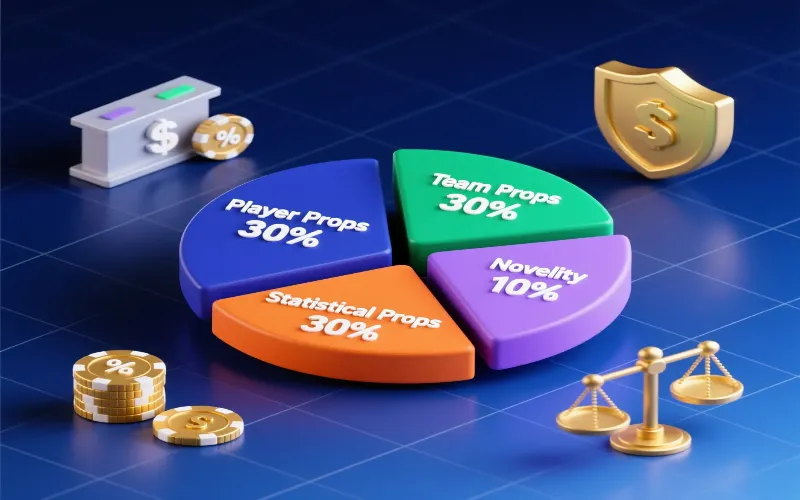
Diversification across prop types is crucial. Don't put everything on goalscorer props—spread across players, teams, and game flow props. A balanced portfolio might be 30% player props, 30% team props, 30% statistical props, and 10% novelties. This diversification smooths variance.
Focus on props where you have genuine information edge. Maybe you've noticed a tactical trend others missed, or you understand a player's mentality better than the market. These edges, however small, are where your profit comes from. Don't bet props just to have action.
Track your prop betting results meticulously. Which types are profitable? Which consistently lose? Are you better at pre-match or live props? This data becomes invaluable for refining your approach. Most bettors never track properly, which is why they never improve.
Consider props as part of your overall final betting strategy, not separate from it. If your main position is under 2.5 goals, your props should align—defensive players to score, booking overs, corner unders. This alignment multiplies your edge when your read is correct.
The Champions League final offers dozens of prop markets, each with potential value for prepared bettors. The key isn't betting them all but selecting the few where your analysis gives you genuine edge. Quality over quantity, always.
Remember that prop betting should enhance your enjoyment of the final, not dominate it. There's something magical about watching a Champions League final with a few well-researched props riding. Every corner, every card, every shot carries meaning. Just ensure your stakes are appropriate and your expectations realistic.
The 2026 Champions League final in Budapest will offer more prop markets than ever before. Bookmakers continue innovating, creating new ways to bet on every aspect of the match. This explosion of options creates both opportunity and danger. The prepared bettor who approaches props systematically will find value. The casual bettor throwing darts at a board will donate to bookmakers' Christmas parties.
Study the patterns, understand the dynamics, and respect the variance. Prop betting on the Champions League final can be profitable, but only for those who treat it as seriously as any other form of betting. The beauty is that your football knowledge—really watching and understanding the game—matters more here than anywhere else in sports betting.
