 ChampLeagueFinalBet
 First Goalscorer Value Betting Guide
 Available in US
The first goal in a Champions League final carries weight beyond its numerical value. It reshapes the entire match, forcing the trailing team to abandon caution while allowing the leaders to execute their preferred game plan. For bettors, the first goalscorer market offers some of the longest odds available on a single match, but navigating it requires understanding both the statistical realities and the unique pressures of final football.
First goalscorer betting is high-variance by nature. You are predicting not just that a player will score but that they will score before anyone else in a match where goals are scarce. When finals routinely produce only one or two goals total, identifying the single player who finds the net first becomes an exercise in finding value amid uncertainty.
Predict the opening goal on our UCL final dashboard.
The Market Structure
Bookmakers typically offer first goalscorer odds ranging from +400 for tournament-leading strikers down to +5000 or longer for defenders and deep-lying midfielders. The pricing reflects both scoring probability and market liability management. Star forwards attract heavy recreational action, so their prices are shaded shorter than pure probability would suggest.
Most books also offer "no goalscorer" as an option, covering the 0-0 result that occurs in roughly 15-20% of finals at regulation time. This selection typically prices around +800 to +1200, offering decent value in a market that heavily favours goals being scored.
The first goalscorer market voids if your selected player does not start the match. This rule significantly impacts strategy because late team news can invalidate your bet entirely. Substitutes are typically listed separately with their own odds, usually longer than starters because they have less time on the pitch to score first.
One crucial detail that varies between bookmakers is whether own goals count. Most books void first goalscorer bets if the opening goal is an own goal and settle based on whoever scores the second goal. Some books count the player who forced the own goal as the first goalscorer. Always check the specific rules before placing your bet.
Historical Patterns in Finals
Examining who actually scores first in Champions League finals reveals interesting patterns. The opening goal frequently comes from sources other than the headline striker. In the six finals from 2020 to 2026, the first goalscorers were Kingsley Coman (winger), Kai Havertz (attacking midfielder), Vinicius Junior (winger), Rodri (defensive midfielder), Dani Carvajal (right-back), and Ousmane Dembele (winger). Not a single traditional centre-forward opened the scoring in that six-year span.
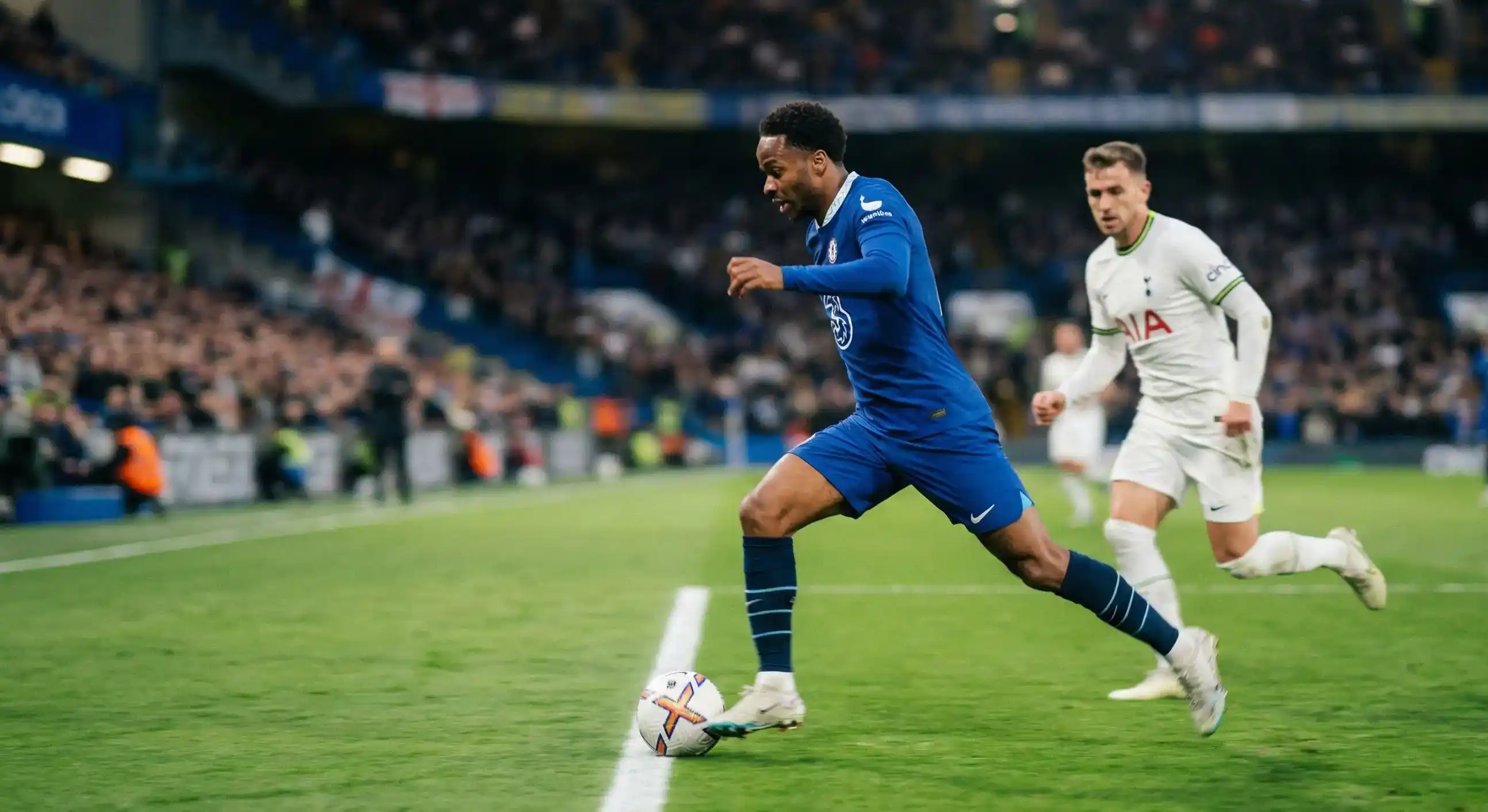
This pattern suggests the market consistently overprices central strikers as first goalscorer candidates in finals. The logic seems sound on the surface: strikers score the most goals, so they should score first most often. But finals produce different circumstances. Strikers face the most defensive attention. Centre-backs and defensive midfielders are specifically tasked with preventing the main striker from finding space. The flanks often offer more opportunity.
Wingers cutting inside, fullbacks arriving late, and midfielders striking from distance have produced opening goals when the central areas remained congested. Mohamed Salah's penalty in the 2019 final came from wide movement that drew a handball rather than a striker's finish. Gareth Bale's spectacular overhead kick in 2018 came off the bench. The paths to opening goals in finals are rarely straightforward.
Identifying Value Selections
Finding value in first goalscorer markets requires looking beyond the obvious choices. The market will correctly price Erling Haaland or Kylian Mbappe as leading candidates if their teams reach the final. The value lies in identifying secondary options whose actual probability exceeds their implied odds.
Penalty takers deserve attention because a significant percentage of final goals come from the spot. If a team has a designated penalty taker who is not their main striker, that player may offer value because the market underestimates penalty probability. Mohamed Salah's first goalscorer win in 2019 came via this route, as did several other final openers over the years.
Set-piece specialists also warrant consideration. Finals produce more dead-ball situations than typical matches because referees call more fouls when stakes are highest. Players who attack corners and free kicks effectively can find themselves in scoring positions that would not arise in open play.
The player who takes the first shot on target is obviously best positioned to score first, but predicting who that will be requires game-state analysis. If one team is expected to dominate possession, their players will likely have more early chances. If the match is expected to be cagey, the first clear opportunity might come from a counter-attack or set piece rather than sustained pressure.
Price Comparison and Timing
First goalscorer odds vary substantially between bookmakers, more so than most markets because each book has different liability exposure. A player attracting heavy public action at one book might be priced shorter there than at books with less exposure. Shopping for best price is essential.
Odds typically shorten on the most popular selections as kick-off approaches. Recreational bettors place their first goalscorer bets closer to match time, often after seeing the confirmed lineups. This late money tends to flow toward star players, compressing their odds. If you have conviction in a star player opening the scoring, betting earlier often captures better value.
Conversely, odds on less popular selections sometimes drift longer as public money floods toward favourites. Defenders and defensive midfielders who might score from set pieces can see their prices extend in the final hours before kick-off. Patient bettors can capture value by waiting for this drift.
Team news is the critical variable affecting timing. First goalscorer bets void if your player does not start, so betting before lineups are confirmed carries that risk. The trade-off is between potentially better odds and certainty of your selection starting. For marquee players almost certain to start, early betting makes sense. For players whose starting position is uncertain, waiting for confirmation is prudent even if it means worse odds.
Stake Sizing for Long Odds
First goalscorer bets offer long odds precisely because they are difficult to hit. A +800 selection wins only once every nine attempts on average. Most bettors experience long losing streaks in this market regardless of their analytical quality.
Conservative stake sizing is essential. Professional bettors typically limit first goalscorer exposure to 0.25-0.5% of bankroll per bet. This allows for the inevitable variance while maintaining the possibility of meaningful profit when selections hit.
Spreading stakes across multiple selections is one approach to managing variance. Rather than backing a single first goalscorer at +800 with one unit, you might back three different players at various odds with smaller stakes. This increases your probability of hitting while reducing the expected return per winning bet.
The mathematical consideration is whether your combined implied probability across multiple selections exceeds 100% minus the margin. If you back three players whose combined implied probability is 30% but the true combined probability is 25%, you have negative expected value even though you feel diversified. Diversification only works if each individual selection offers value.
Live Betting Dynamics
The first goalscorer market closes once the match kicks off, but related markets remain active. If your pre-match first goalscorer selection is still viable at halftime because no goals have been scored, you can potentially hedge or add exposure through next goalscorer markets.
Next goalscorer markets in a 0-0 match at halftime often offer value because the market sometimes underestimates how likely the second half is to produce goals. Tension builds, managers make attacking substitutions, and the probability of a breakthrough increases. If you have a first goalscorer bet on a player still on the pitch, you might consider adding a next goalscorer position at the live odds if they are attractive.
Monitoring live events also helps with future final betting. Note which types of players create the first clear chances, how teams set up defensively, and where space appears on the pitch. These observations inform first goalscorer analysis for subsequent finals.
Special Considerations for Finals
The neutral venue affects first goalscorer dynamics in subtle ways. Neither team has home-ground familiarity, which can produce more cagey openings as players adjust to unfamiliar surroundings. The first twenty minutes of finals often feature cautious play, with genuine chances arriving later than in typical matches.
Referee selection matters because different officials have different tendencies regarding penalties. A referee known for strict interpretation of handball and contact in the box increases the probability of a penalty, favouring the designated taker in first goalscorer markets. Research the appointed referee's penalty statistics before finalising your selections.
The pressure of the occasion affects player performance in unpredictable ways. Star players sometimes freeze while lesser-known teammates step up. This psychological dimension cannot be quantified but should inform your willingness to consider non-obvious selections. The player who has been clinical all tournament might suddenly find the final too much, while a steady performer delivers when it matters most.
Building a First Goalscorer Strategy

The optimal approach combines statistical analysis with market awareness. Start by identifying which players are most likely to score first based on team tactics, set-piece responsibilities, and historical patterns. Then compare your probability estimates to market odds to identify value.
Focus on selections where your estimated probability exceeds implied probability by a meaningful margin. A player you estimate at 10% probability to score first needs odds of at least +900 to offer value after accounting for margin. If the market offers +600, there is no edge regardless of how likely you think they are to score.
Look for broader scoring opportunities in our anytime goalscorer guide.
Limit your total exposure to first goalscorer markets relative to your overall final betting. This high-variance market should complement rather than dominate your positions. The excitement of backing a +1500 defender to score first should not distract from more probable bets that offer steadier returns.
Accept that most first goalscorer bets will lose. The market is designed this way. Your edge, if it exists, reveals itself over many finals rather than any individual match. The player you correctly identified as undervalued might hit an upright while an unlikely candidate scores from nowhere. This is the nature of betting on rare events with long odds.
Champions League finals produce memorable first goals because they set the tone for everything that follows. Finding value in predicting who scores them requires patience, discipline, and the willingness to look beyond the obvious choices toward the players the market has underestimated.
