 ChampLeagueFinalBet
Asian Handicap Betting Guide for UCL Finals
 Available in US
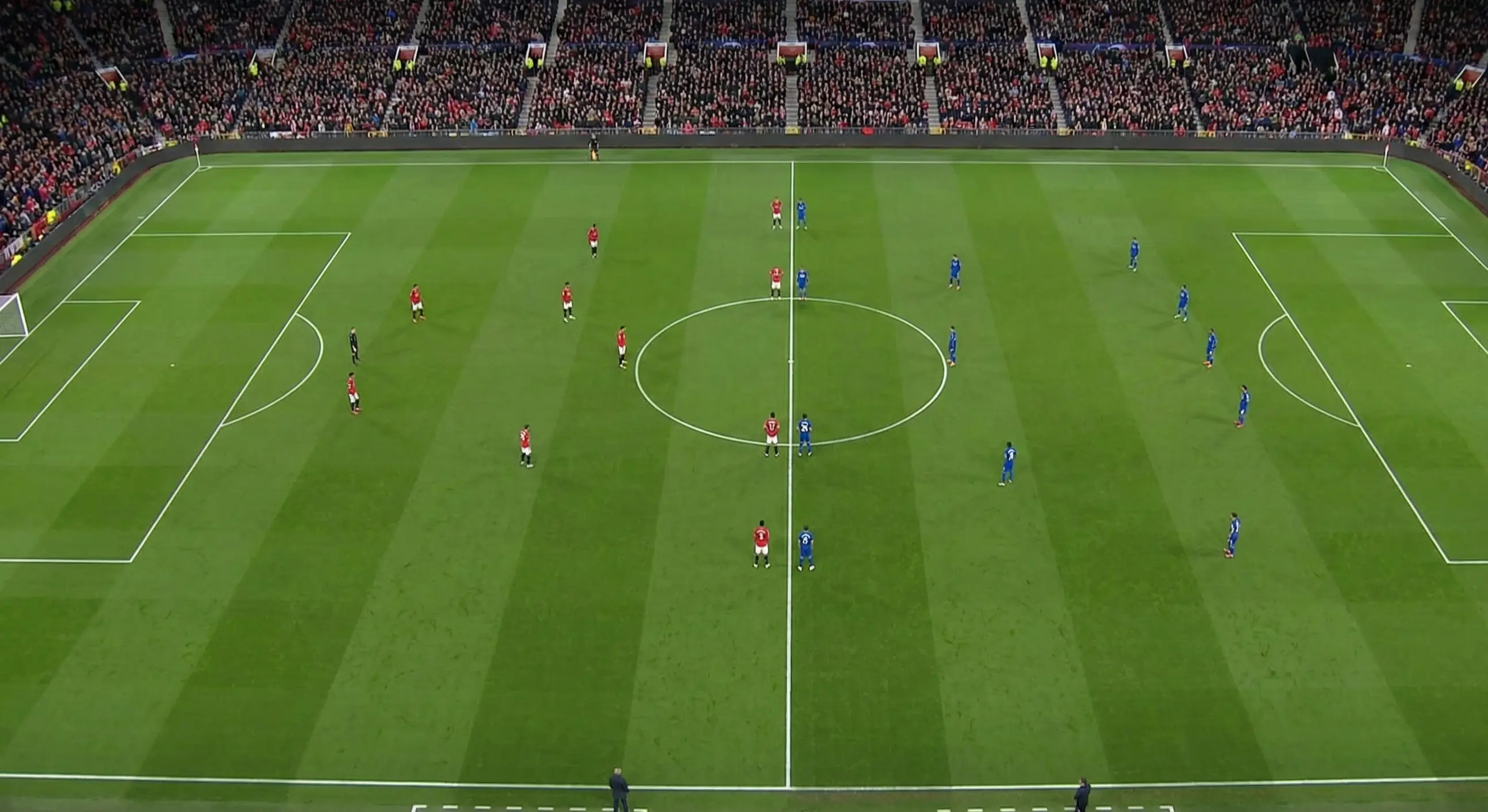
Asian handicaps eliminate the draw as an outcome. In a competition where approximately 40% of finals are level after ninety minutes, this seemingly simple feature has profound implications for bettors. Understanding Asian handicaps transforms how you can approach the biggest match in club football, offering insurance mechanisms and value opportunities that traditional three-way betting cannot provide.
The Champions League final is precisely the type of match where Asian handicaps shine. High stakes produce conservative play. Conservative play produces tight scorelines. Tight scorelines mean draws happen frequently. If you have ever lost a three-way bet because a match you correctly predicted as tight finished goalless, Asian handicaps are about to become your best friend.
Master professional lines on our UCL betting site.
How Asian Handicaps Work
Before diving into final-specific strategy, let us ensure the mechanics are clear. Asian handicaps apply a goal advantage or disadvantage to one team. A -0.5 handicap on the favourite means they must win by at least one goal for your bet to succeed. A +0.5 on the underdog means they win or draw. The half-goal ensures there is no push; you either win or lose.
Quarter-ball handicaps like +0.25 or -0.75 split your stake between two adjacent handicaps. A +0.25 bet divides evenly between +0 (draw no bet) and +0.5. If the team loses by one, you lose half your stake and push on the other half. If they draw, you win half and push half. If they win, you win both halves. This partial insurance reduces variance at the cost of reduced potential returns.
Full-ball handicaps like +1 or -1 introduce the possibility of pushes. If you back the underdog +1 and they lose by exactly one goal, your stake returns. This is not a win but also not a loss, which in finals where 1-0 results are common can be extremely valuable.
Why Asian Handicaps Suit Finals
The three-way market forces you to predict a winner within ninety minutes or deliberately back the draw. But finals are uniquely likely to finish level. Seven of the last twenty Champions League finals were tied at full time, requiring extra time or penalties to determine a winner. That 35% draw rate is significantly higher than typical football matches.
When you back a team to win in three-way betting, you are essentially ignoring this draw probability. If you believe Manchester City is the better team and they finish 0-0 or 1-1, you lose your bet despite being right about their quality. Asian handicaps solve this problem by allowing you to back your opinion while covering the draw outcome.
Taking City -0.25 instead of the three-way win means that if the match draws, you get half your stake back. Taking City +0 (draw no bet) means a draw returns your entire stake. You are paying for this insurance through reduced odds, but in finals where draws happen so frequently, that insurance is often worth the price.
The tight margins in finals also make handicap selection more nuanced. Regular season matches between mismatched teams might see handicaps of -1.5 or -2. Finals rarely feature such gaps. Most finals are priced somewhere between pick'em and -0.75 favourite territory because the teams that reach this stage are typically quite evenly matched.
Reading Final Handicap Lines
When bookmakers open Asian handicap markets for a Champions League final, the initial line tells you their assessment of the gap between teams. A -0.25 or -0.5 favourite indicates a slight edge but genuine uncertainty. A -0.75 favourite suggests clearer separation while still acknowledging final volatility. Lines beyond -1 are rare and typically indicate significant mismatches like PSG-Inter in 2025.
Line movement before finals follows predictable patterns. Public money generally flows to favourites, particularly glamorous clubs with large fanbases. This pressure can move lines from -0.5 to -0.75 or push -0.75 prices higher on the favourite. Sharp money sometimes arrives on the underdog, either because professionals see value or because inside information about injuries or tactical plans has leaked.
The sweet spot for value often lies with underdogs between +0.25 and +0.75. This range provides meaningful insurance against narrow losses while maintaining substantial returns if the underdog wins outright or draws. Historically, only three of the last fifteen finals before 2025 saw a team win by more than one goal in regulation time. That means underdog +1 would have pushed or won in twelve of fifteen finals, while underdog +0.5 would have covered any draw plus underdog victories.
Strategic Applications
The classic final handicap play is backing the underdog +0.5 or +0.75. This position wins if the underdog wins or draws, and only loses if they drop the match by a goal or more. Given final dynamics that favour caution and tight scorelines, underdogs tend to stay in matches longer than their perceived quality suggests.
Consider the 2022 final between Real Madrid and Liverpool. Madrid were slight favourites around -0.5 to -0.75. Liverpool had been the more impressive team throughout the season but faced a Madrid side experienced in finals. Taking Liverpool +0.5 meant you only needed them to not lose in regulation. The match finished 1-0 to Madrid, so +0.5 backers lost. But +0.75 backers lost only half their stake. And +1 backers pushed entirely. The insurance value of quarter and full ball handicaps is clearest in these narrow results.
Backing favourites on Asian handicaps requires more caution. The -0.5 line means you need a win of any margin. This is essentially the three-way win without draw coverage, usually at slightly better odds because the draw probability is removed from the equation. The -0.75 or -1 lines demand winning by multiple goals, which happens rarely in finals. Before the 5-0 result in 2025, the last final won by three or more goals was Barcelona 3-1 Juventus in 2015.
Compare these lines with the safety of UCL double chance markets.
Quarter-Ball Handicaps Explained
Quarter-ball lines (+0.25, -0.25, +0.75, -0.75) confuse many bettors but offer the most nuanced approach to finals. Understanding them properly unlocks significant value.
A +0.25 handicap is functionally half of your stake on +0 (draw no bet) and half on +0.5. The possible outcomes are: if your team wins, you win both halves. If the match draws, you win half and push half, returning 75% of your stake plus profit on the winning half. If your team loses by exactly one goal, you lose half and push half, returning only 25% of your stake. If your team loses by two or more goals, you lose everything.
A -0.75 handicap works the opposite direction. You are betting half on -0.5 and half on -1. Your team must win for any return. A one-goal win means winning half and pushing half. Only a two-goal or greater win collects on both halves.
In finals, the +0.25 to +0.75 range on underdogs represents the high-value zone. These positions are designed precisely for matches expected to be tight, and no matches are tighter than Champions League finals.
Live Betting with Asian Handicaps
Asian handicap live betting in finals requires quick thinking and predefined triggers. When a goal is scored, handicap lines shift dramatically. A team that was -0.5 pre-match might become +0.5 or even +0.75 after conceding early. This creates opportunities to back teams at better prices than pre-match if you believe the goal changed little about the likely outcome.
The 60-70 minute window is often ideal for live handicap adjustments. At this point, managers start making substitutions and revealing their true intentions. If a team is chasing the game and brings on attackers, their handicap line usually shortens as the market expects increased risk-taking. If the leading team goes defensive, their handicap might push from -0.5 to -0.25 as the market anticipates them protecting the lead rather than extending it.
Cash-out decisions on Asian handicaps follow similar logic to other markets but with fewer complications since draws are not separate outcomes. If you backed the underdog +0.5 pre-match and they are now 0-0 at seventy minutes, your position has improved. The cash-out value reflects this, and the decision becomes whether the guaranteed profit exceeds your expected value from letting the bet ride.
Common Mistakes to Avoid
The biggest error in Asian handicap betting on finals is treating it like regular season handicapping. Teams that cover -1.5 in league matches may barely scrape past +0 in finals. The context completely changes incentives and behaviours.
Another mistake is over-leveraging the insurance features. Quarter-ball handicaps reduce variance but also reduce returns. Taking +0.25 instead of +0.5 means accepting worse odds for incremental safety. Sometimes that trade-off makes sense; other times you are simply paying too much for insurance you do not need.
Failing to shop for the best line is perhaps the most expensive mistake. Asian handicap pricing varies significantly between bookmakers, and the difference between +0.5 at +105 and +0.5 at +115 matters over time. In a market where edges are already thin, losing value to poor line shopping is inexcusable.
Finally, some bettors use Asian handicaps without understanding the underlying probability implications. A -0.5 handicap is not the same as picking a winner. The removed draw probability affects fair pricing. Comparing Asian handicap odds directly to three-way odds without adjustment leads to poor decision-making.
Building a Final Handicap Strategy

The optimal approach combines pre-match analysis with flexible in-play management. Before the final, identify which handicap position offers the best value based on your assessment of relative team strength and expected scoreline distribution. If you believe the match will be tight regardless of winner, underdog +0.5 or +0.75 provides value through draw coverage. If you believe one team will dominate, favourite -0.5 captures the win at decent odds.
Set pre-match limits for live adjustment. Decide in advance at what point you would cash out or double down based on scoreline and time remaining. This prevents emotional decision-making when markets are moving quickly after goals.
Accept that variance will be high on any single final. Asian handicaps reduce variance compared to three-way betting but do not eliminate it. A strategy that works over twenty finals will still have individual years where results go against you. Size your stakes accordingly and treat each final as one data point in a long-term approach rather than a make-or-break moment.
The Champions League final offers everything Asian handicap bettors could want: tight matches, high stakes, and markets that price based on star power rather than final-specific dynamics. Those who understand handicap mechanics and final psychology will find edges that persist year after year.
