 ChampLeagueFinalBet
 Double Chance Betting: When Conservative Pays
 Available in US
Double chance betting strips away one of three possible outcomes, leaving you with two ways to win. In a Champions League final, where margins are razor-thin and underdogs frequently outperform expectations, this conservative approach often makes more sense than the market suggests. The question is not whether double chance reduces risk, because it obviously does, but whether the reduced odds adequately compensate for the protection you receive.
Finals punish overconfidence. The team that dominated their domestic league and cruised through the knockout rounds can freeze when the trophy is within reach. The underdog that scraped through on away goals can suddenly find another gear. Double chance acknowledges this uncertainty and builds it into your betting structure.
Minimize your risk on our starting betting page.
The Three Double Chance Options
Double chance markets offer three selections: home or draw, away or draw, and home or away. In a final played at a neutral venue, the home and away designations are essentially arbitrary, assigned for administrative purposes. What matters is which team you are backing and which outcomes you need for your bet to win.
Backing Team A or draw means you win if Team A wins outright or if the match finishes level after ninety minutes. The only losing outcome is Team B winning in regulation time. This position essentially says you believe Team A is at least as good as their opponent but might not manage to win within ninety minutes.
The draw-plus-team option works identically from the opposite perspective. You back the perceived underdog while covering yourself if neither team can break through. The third option, Team A or Team B excluding the draw, is rarely used in finals because betting on either team to win but not draw makes little sense when draws are so common.
Most final double chance action concentrates on the team-plus-draw combinations because that structure matches how finals actually unfold. You identify which team you believe is stronger, then protect yourself against the high probability that ninety minutes will not be enough to separate them.
Why Double Chance Suits Finals
Champions League finals produce draws at an elevated rate compared to regular matches. Roughly 35% of finals are level after ninety minutes, requiring extra time to separate the sides. This draw probability is substantially higher than typical league matches and even higher than most knockout rounds earlier in the competition.
When draw probability is high, double chance covering your selection plus draw becomes proportionally more valuable. You are not paying for protection against a rare event but rather insuring against an outcome that occurs more than once every three finals. That insurance has tangible value.
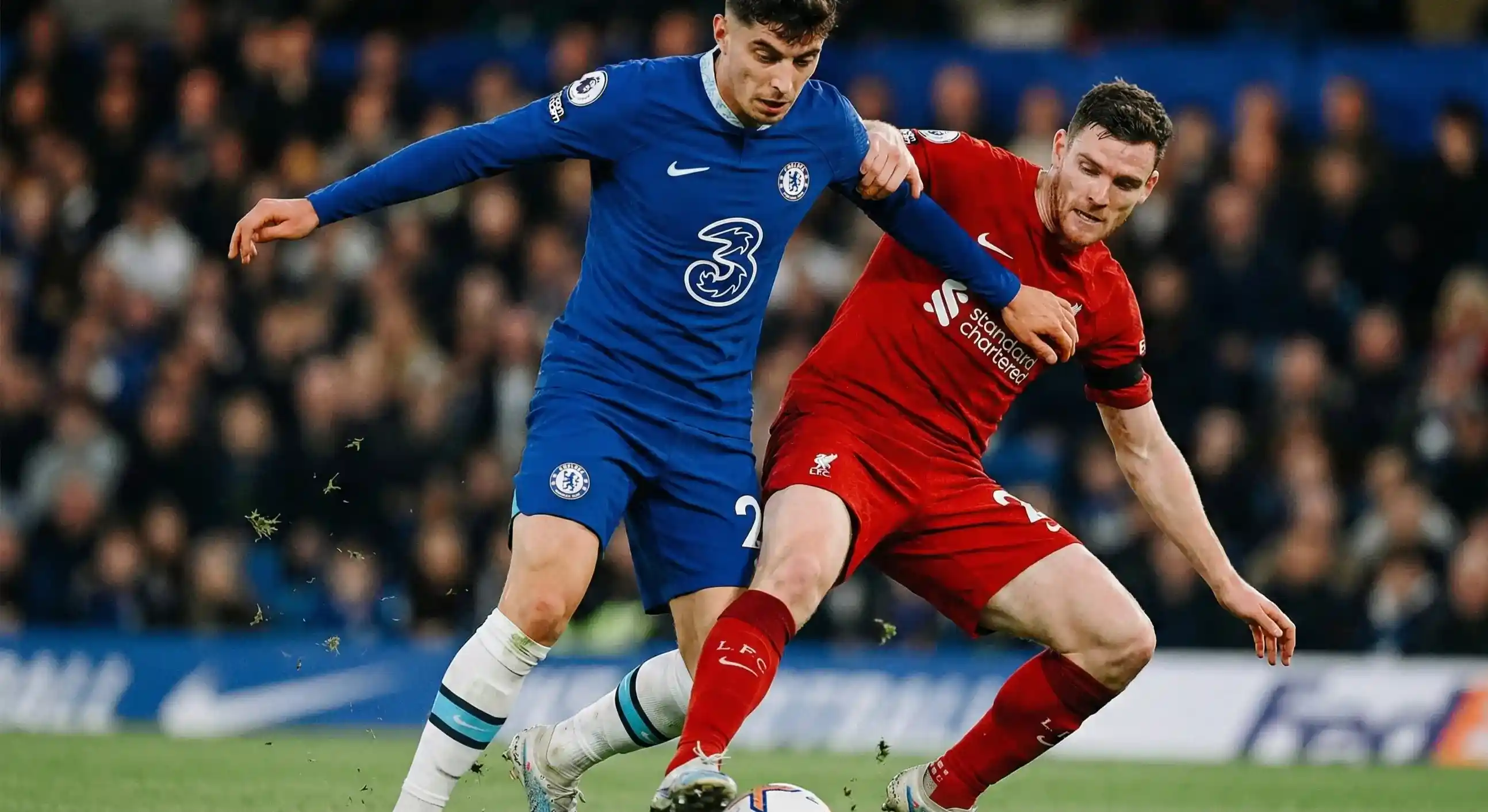
Consider the psychological dynamics at play. Both teams have reached the final, meaning both have proven themselves capable of beating elite opposition. Neither wants to make the mistake that ends their season. Managers instruct players to be patient, to not force the issue, to wait for the right moment. This mutual caution naturally produces stalemates.
The scoreline progression in finals follows a recognisable pattern. The first half often ends goalless as both teams assess each other. The second half sees gradual escalation, with chances becoming clearer as legs tire and concentration wavers. But even then, goals are not guaranteed. Four consecutive finals from 2020 to 2023 finished 1-0, with the decisive goal frequently coming late. Any of those could easily have remained level had one shot gone slightly wide or one save been slightly better.
Calculating True Value
Double chance pricing requires understanding how bookmakers derive their odds from underlying three-way probabilities. If a bookmaker prices Team A to win at +150, the draw at +250, and Team B to win at +200, the double chance combining Team A plus draw should theoretically reflect the combined probability of those two outcomes.
The mathematical conversion is straightforward. Convert odds to implied probability for each component, add them together, then convert back to odds. In practice, bookmaker margins mean double chance prices are slightly worse than this theoretical fair price, but comparing actual prices to theoretical helps identify value.
Some bookmakers build excessive margin into double chance markets because they view it as a recreational product rather than a sharp market. These books assume casual bettors want double chance for the safety factor and will not shop for best prices. Other books, particularly those targeting professional action, price double chance competitively because they know sharps will arbitrage any significant discrepancies.
For finals specifically, check whether the double chance price implies reasonable draw probability. If the double chance covering underdog plus draw offers worse value than simply backing the draw itself, something is wrong with the pricing. The underdog component should add value, not subtract it.
Strategic Applications
The most common double chance play in finals backs the underdog plus draw. This position wins in two of three regulation outcomes and only loses if the favourite wins within ninety minutes. Given that heavy favourites win finals in regulation only about 40% of the time historically, this coverage is substantial.
Consider Real Madrid versus Liverpool in 2022. Madrid were slight favourites despite Liverpool's excellent season because of Madrid's pedigree and their habit of winning finals regardless of form. Backing Liverpool or draw meant winning if Liverpool prevailed or if the match went to extra time. The match finished 1-0 to Madrid, so this particular bet would have lost. But the process was sound given the information available pre-match.
Backing the favourite plus draw makes sense when you strongly believe in one team's superiority but acknowledge that finals can produce cagey affairs. Manchester City were heavy favourites against Inter in 2023, and backing City or draw provided insurance against Inter's exceptional defence producing a stalemate. The match finished 1-0 to City, rewarding both straight City backers and City-plus-draw bettors, though the latter collected at lower odds.
Combining Double Chance with Other Markets
Double chance can serve as a foundation for building layered positions. The protected team selection provides baseline coverage while other bets target specific outcomes within that range.
One approach pairs double chance with correct score bets on the protected outcomes. If you back Team A or draw, you might add correct score positions on 1-0 Team A, 0-0, and 1-1. These scorelines all fall within your double chance coverage, meaning you cannot have a correct score winner while losing your double chance. The correct score positions provide enhanced returns if specific outcomes hit while the double chance guarantees at least partial profit across a range of scorelines.
Another strategy uses double chance alongside first goalscorer bets. Back the underdog plus draw on double chance, then take first goalscorer positions on underdog players at enhanced odds. If the underdog scores first and holds on, you collect on both the goalscorer and the double chance. If the underdog scores first but eventually loses, you lose the double chance but may profit on the goalscorer depending on your stake sizing.
Avoid combining double chance with markets that contradict your covered outcomes. Taking Team A or draw on double chance while also backing Team B to win creates a confusing position where you are essentially paying extra margin to cover all three outcomes. If you want that kind of coverage, structured differently priced bets on each outcome separately would be more efficient.
Live Betting Considerations
Double chance markets remain active during finals, with prices adjusting based on scoreline and time elapsed. The dynamics differ significantly from pre-match betting and create distinct opportunities.
If the match is goalless at halftime, double chance prices on both teams improve because the draw component gains probability. The team you believed would win pre-match is now more likely to at least draw, improving your team-plus-draw position even though they have not yet scored. Some bettors take initial positions pre-match and then add to their double chance live if the match remains tight.
After a goal is scored, double chance dynamics shift dramatically. The team that fell behind sees their team-plus-draw price extend because they now need to equalise just to achieve the draw portion of the bet. The leading team's team-plus-draw price compresses because they have already satisfied the win condition. Opportunities exist to back the trailing team at improved odds if you believe the match will ultimately be decided by fine margins.
The most dangerous live double chance moment comes when one team leads late but has not secured the result. Backing the trailing team plus draw at this point offers long odds because both components seem unlikely. Occasionally these bets hit when late equalisers force extra time, but more often you are simply throwing money at unlikely outcomes. Disciplined bettors set limits on how far they will chase live positions rather than escalating stakes as desperation sets in.
Bankroll Considerations
Because double chance reduces variance, some bettors increase their stake size compared to three-way betting. This approach has merit within limits but requires careful calibration.
The variance reduction from double chance is real. You are covering two of three outcomes instead of one, roughly doubling your probability of winning compared to backing a single result. But the odds reduction typically more than offsets this probability increase, meaning expected value does not necessarily improve. You are trading potential returns for reduced volatility, not magically creating value.
A reasonable stake increase might be 25-50% above your normal three-way position. This maintains similar risk exposure while taking advantage of the reduced variance. Doubling or tripling stakes pushes into territory where a single loss, which still happens 35% or more of the time, creates significant damage.
The best bankroll approach treats double chance as one tool among many rather than a default position. Sometimes three-way betting offers superior value despite higher variance. Sometimes Asian handicap coverage accomplishes similar goals at better prices. Double chance should be selected when its specific structure fits the match dynamics rather than applied reflexively to every final.
For a similar low-risk approach, check out UCL draw no bet strategies.
Long-Term Perspective

Bettors who use double chance consistently in finals tend to experience smoother results than those who exclusively back winners. The pushes on draws and the protected losses prevent the complete stake destruction that comes from backing a team that gets held to a goalless stalemate.
Over ten or fifteen finals, this stability compounds into meaningful bankroll preservation. You will not have the massive winning years that come from backing underdogs at long odds who pull off upsets. But you also will not have the devastating years where three or four finals go to extra time and destroy your positions.
The trade-off suits certain betting personalities better than others. If watching your team dominate but fail to score causes you significant stress, double chance reduces that anxiety by ensuring a draw still returns some value. If you prefer maximum volatility and the potential for big scores, double chance will feel unnecessarily conservative.
Champions League finals reward patience and risk management more than most matches. Double chance embodies both qualities, offering a path to profit that acknowledges uncertainty rather than pretending it does not exist.
