 ChampLeagueFinalBet
 How Manager Tactics Affect UCL Betting
 Available in US
The manager's fingerprints appear on every aspect of a Champions League final. Formation choices, substitution patterns, and in-game adjustments all affect betting outcomes. Understanding how specific managers approach finals creates edge that pure statistical analysis misses.
Different managers produce different probability distributions across markets. A Pep Guardiola final looks different from a Carlo Ancelotti final, and betting accordingly improves returns.
Master the chess match from our expert wagering site.
Conservative versus Aggressive Approaches
Some managers approach finals conservatively regardless of their normal style. The magnitude of the occasion triggers risk-aversion that suppresses their usual attacking tendencies.
Jose Mourinho built his final reputation on defensive organisation that suffocated opponents. His Inter side that beat Bayern 2-0 in 2010 exemplified this approach: disciplined defence, clinical counter-attacks, minimal risk-taking. Betting on Mourinho finals historically meant backing unders and defensive outcomes.
Other managers maintain their attacking identity despite final pressure. Jurgen Klopp's Liverpool sides played high-intensity pressing football in finals just as they did in league matches. His 2019 final against Tottenham produced fewer goals than his style suggested, but the approach remained aggressive.
The key betting insight is identifying which managers will stick to their identity and which will become conservative. First-time final managers often become conservative because they lack templates for handling the occasion. Serial final managers like Ancelotti or Guardiola have established approaches they trust.
Ancelotti's Final Philosophy
Carlo Ancelotti has reached more Champions League finals than any active manager. His approach has evolved but maintains consistent principles relevant to betting.
Ancelotti prioritises adaptability over system rigidity. He prepares multiple tactical options and selects based on opponent analysis. This flexibility means his finals cannot be predicted from his team's usual patterns alone.
His substitution patterns favour conservative early changes. Ancelotti typically makes his first substitution between 60-70 minutes unless tactical emergency requires earlier intervention. He rarely uses all five substitutes, trusting his starters to see out the match.
Defensive solidity characterises Ancelotti finals. His Real Madrid and AC Milan sides conceded few chances in finals regardless of opponent quality. Backing under goals in Ancelotti finals has historically offered value because his teams control matches without necessarily dominating possession.
Counter-attacking threats are his primary weapon. Ancelotti finals often see his team absorb pressure then strike on transitions. Vinicius Junior's 2022 final winner against Liverpool epitomised this pattern: patient defence followed by clinical finishing when opportunity arose.
Guardiola's Final Patterns
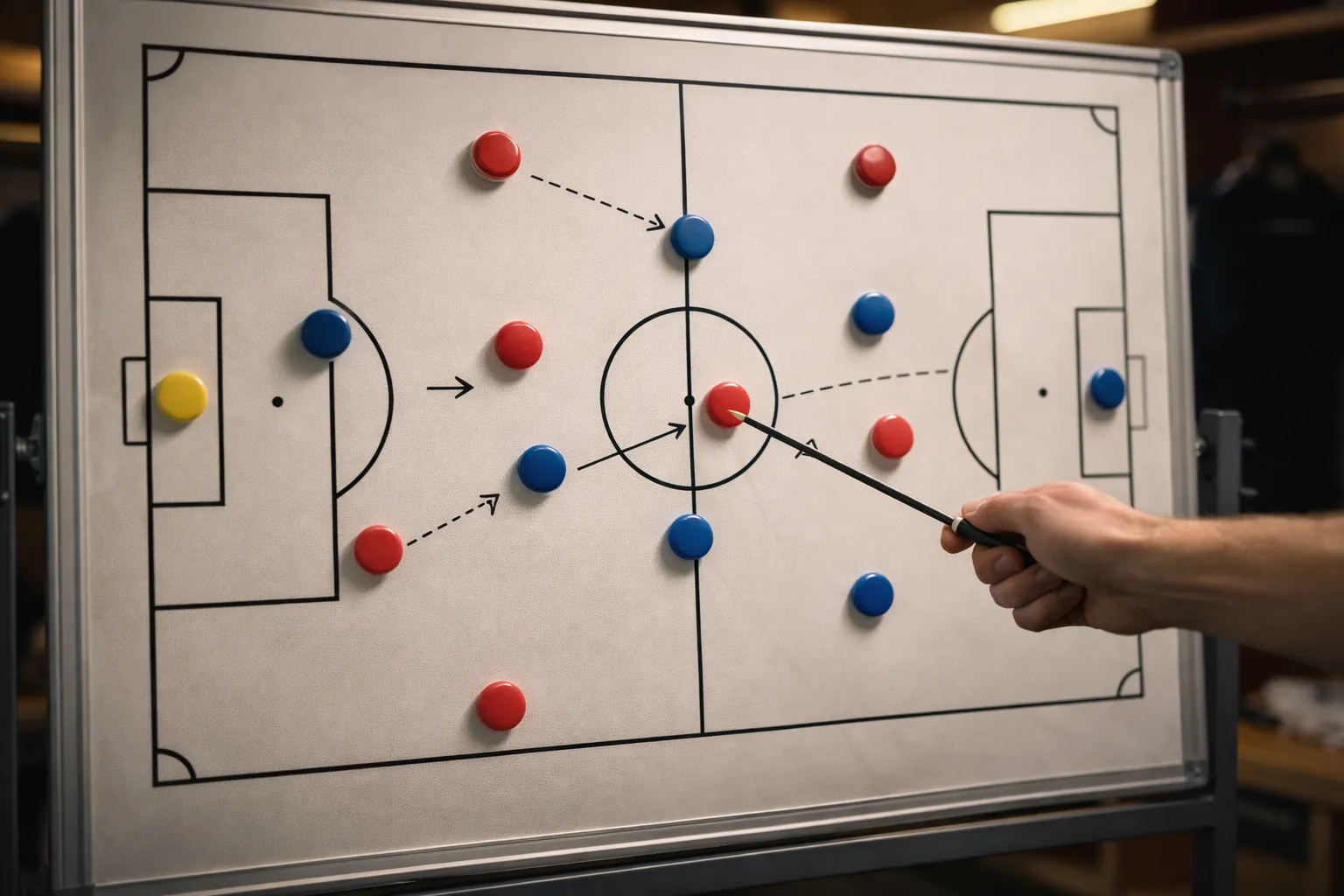
Pep Guardiola's final record is more complex than his overall managerial success suggests. His approach sometimes produces the expected dominance but occasionally suffers from overthinking.
Guardiola's reputation for tactical innovation creates a specific betting angle. He frequently introduces unexpected formations or role changes in finals, some of which succeed spectacularly and others of which backfire. The 2021 final against Chelsea saw Guardiola deploy unusual tactics that many observers believed hindered rather than helped City.
His possession-based approach means his finals see extended periods of control punctuated by minimal clear chances. Backing under goals in Guardiola finals often works because his teams control matches without necessarily creating numerous high-quality opportunities.
Guardiola uses substitutes more liberally than Ancelotti. His 3.6 substitutes per match in the 2021-22 Champions League was among the lowest in the tournament, but in finals specifically he makes tactical changes aimed at solving specific problems. Live betting opportunities emerge when his substitutions signal tactical shifts.
The pressure on Guardiola to finally win the Champions League with Manchester City affected his decision-making until their 2023 triumph. With that pressure now relieved, future Guardiola finals might see more relaxed tactical choices.
Substitution Pattern Analysis
Manager substitution tendencies create live betting opportunities. Knowing when each manager typically makes changes and what those changes signal helps identify value as finals progress.
First substitution timing varies systematically. Some managers make proactive changes around 60 minutes regardless of scoreline. Others only substitute reactively when tactics are clearly failing. The proactive managers offer clearer betting signals because their changes come at predictable moments.
Attacking substitutions when drawing signal increased commitment to winning in regulation. These changes increase both goal probability and variance. Backing goals after attacking substitutions offers value if the market has not fully incorporated this tactical shift.
Defensive substitutions when leading signal intent to close out the match. These changes decrease goal probability but increase the probability of the current scoreline holding. Backing under goals after defensive substitutions offers value.
Double or triple substitutions indicate significant tactical recalibration. These moments often precede the most impactful match periods as fresh players enter simultaneously. The 60-75 minute window immediately following mass substitutions often produces decisive moments.
Formation Effects on Markets
The formations each manager selects directly affect market probabilities.
Three-at-the-back formations typically produce fewer goals than four-at-the-back formations. The extra central defender provides additional protection but reduces attacking presence. Finals featuring teams in three-at-the-back systems often suit under goals betting.
False nine systems create chance distribution patterns that affect goalscorer markets. Without a traditional striker, goals spread across multiple attacking players. First goalscorer markets become more open when a false nine is deployed.
Formations are key, especially when analyzing defensive setups.
Midfield diamonds concentrate play through the centre, producing different attacking patterns than wide formations. Central chances increase while crossing decreases. This affects both goal timing and type of chances created.
Research each finalist's formation tendencies in knockout matches specifically. Tournament formations sometimes differ from league formations because opponents and stakes differ. The formation used in semi-finals likely previews the final approach.
In-Game Tactical Adjustments
Some managers make significant in-game tactical changes while others rarely deviate from their starting approach.
Ancelotti's adaptability extends to in-game formation shifts. His teams have shown ability to switch between four-at-the-back and three-at-the-back mid-match, or to change pressing intensity based on game state. These adjustments can shift probability distributions mid-match.
Guardiola's in-game adjustments tend to be positional rather than structural. He rarely changes formation mid-match but frequently adjusts player roles and positioning. These subtle changes matter less for betting than wholesale tactical shifts.
Managers with less tactical sophistication often default to their standard approach regardless of game state. Their predictability creates clearer betting opportunities because probability distributions remain stable.
Live betting becomes more valuable when facing tactically flexible managers. The potential for significant probability shifts mid-match increases when Ancelotti or similarly adaptable managers are involved.
Historical Final Approaches
Research how each finalist's manager has approached previous finals, even with different clubs.
Diego Simeone's Atletico Madrid sides in 2014 and 2016 finals played defensive, organised football aimed at minimising opponent chances and striking on set pieces or counter-attacks. His approach was consistent across both finals despite different opponents.
Thomas Tuchel reached finals with both PSG (2020) and Chelsea (2021), winning with Chelsea. His defensive organisation improved between finals, suggesting learning and adaptation. His 2026 final approach with PSG reflected accumulated experience.
First-time final managers deserve scrutiny for how they might handle the occasion. Some rise to the challenge while others struggle. Limited data makes prediction difficult but psychological assessment provides clues.
Practical Betting Application
Build manager profiles for each potential finalist as the tournament progresses.
Document their formation choices, substitution patterns, and tactical adjustments in knockout matches. Note any differences between knockout and league approaches.
When finalists are confirmed, compare manager profiles to identify betting opportunities. If one manager consistently produces low-scoring knockout matches while the other produces high-scoring matches, the meeting creates tension that can be exploited.
Consider manager history against specific tactical styles. Some managers consistently struggle against certain approaches. If one manager has historically been troubled by high-pressing opponents and the other finalist presses intensely, adjust probability estimates accordingly.
The manager dimension adds depth to Champions League final betting. Understanding tactical intentions converts generic probability estimates into match-specific assessments that markets imperfectly price.
