 ChampLeagueFinalBet
 Defensive Formations: Impact on Betting Markets
 Available in US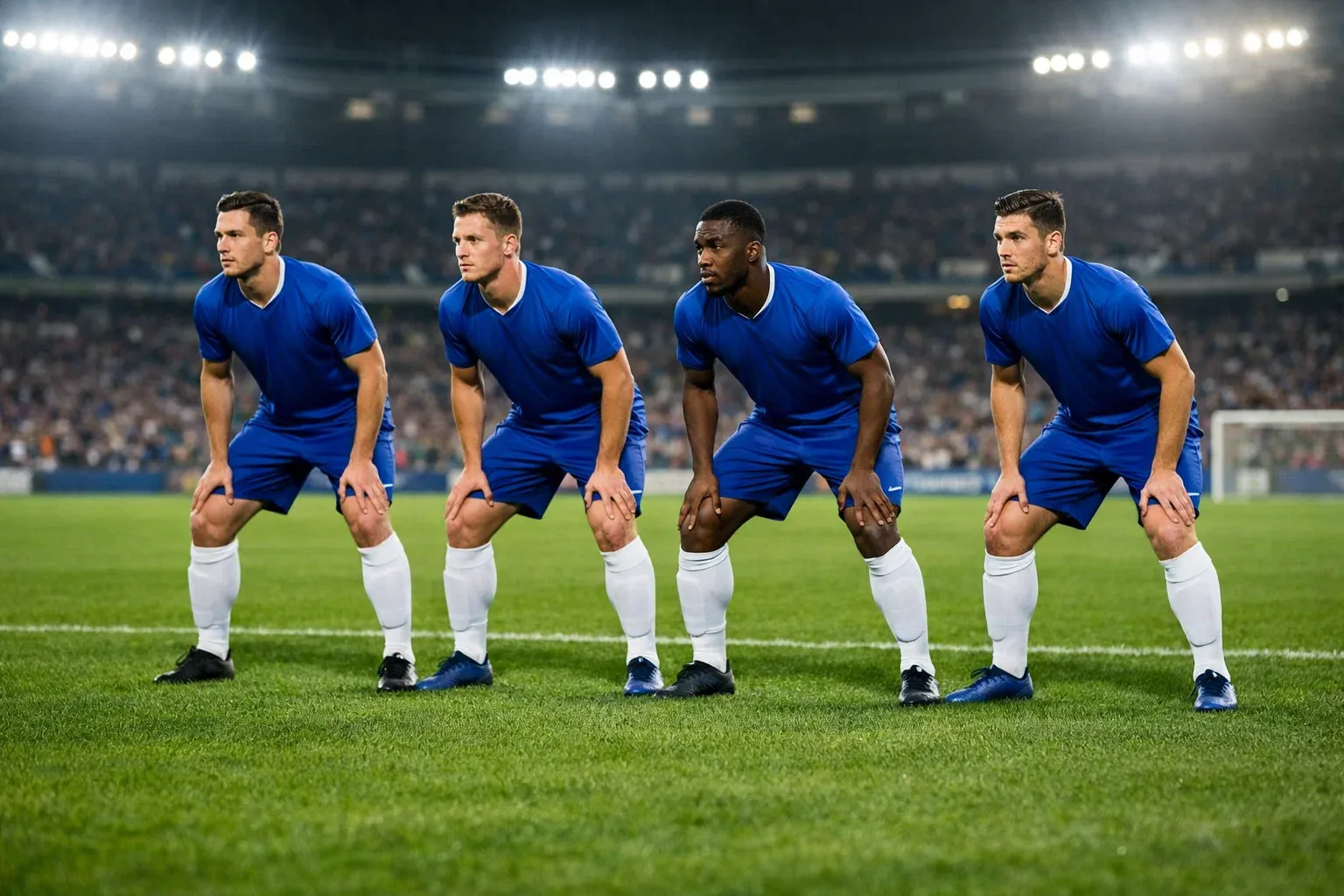
Champions League finals produce fewer goals than any other tournament round. This defensive tightening is not coincidental but reflects tactical choices that managers make specifically for finals. Understanding how defensive formations affect finals creates betting opportunities in goal markets, correct score, and various derivative markets.
The compression of attacking output in finals stems from both conscious tactical decisions and psychological factors that cause even attacking teams to prioritise caution. Both elements combine to create probability distributions that differ from regular matches.
Analyze the backline on our main sportsbook guide.
Why Finals Become Defensive
Elite teams reaching finals have already proven they can beat quality opposition. Both finalists know their opponent is dangerous. This mutual respect breeds caution that does not exist when one team clearly outmatches the other.
Managers instruct players to avoid mistakes rather than take risks. The calculation shifts: an attacking gamble that produces a goal ten percent of the time but concedes a goal five percent of the time might be acceptable in league football. In a final, conceding that goal could end your season and define your legacy negatively.
Players self-regulate toward caution regardless of manager instructions. The awareness of stakes affects decision-making on the pitch. Fullbacks overlap less frequently. Midfielders take fewer risky forward passes. Strikers track back more diligently.
Set pieces become proportionally more important because open play becomes harder to create. Corners, free kicks, and penalties produce a higher percentage of final goals than regular match goals because organised defensive structures are harder to break down in open play.
Formation Trends in Recent Finals
Examining finalist formations from 2015 to 2026 reveals tactical patterns.
Three-at-the-back systems have appeared in multiple recent finals. Chelsea's 2021 triumph over Manchester City came with Thomas Tuchel using three centre-backs against Guardiola's attacking threat. The formation provided numerical advantage in central defence while allowing wing-backs to contribute offensively.
Traditional 4-3-3 formations remain common but often morph into more conservative shapes during finals. A team that attacks in 4-3-3 in league football might defend in 4-5-1 in finals, with wingers dropping deeper to provide midfield cover.
The false nine has appeared in multiple finals, affecting both defensive shape and goalscorer distributions. When neither team fields a traditional striker, aerial threats diminish and central chances become harder to create.
Fullback Behaviour in Finals

Fullback positioning affects both goal probability and goalscorer distributions.
In regular matches, modern fullbacks frequently attack into advanced positions, contributing to build-up play and providing width in the final third. This creates attacking threat but leaves space behind them that opponents can exploit.
In finals, fullbacks receive explicit or implicit instructions to prioritise defensive positioning. They overlap less frequently, stay closer to their centre-backs, and avoid being caught out of position. This reduces attacking threat but also reduces vulnerability.
The consequence for betting is reduced goal expectation from wide areas. Crosses decrease, wing-play chances decrease, and central congestion increases. Under goals becomes more attractive when both teams employ conservative fullback positioning.
Betting on fullback-dependent attacking players also becomes less attractive. A winger who thrives off overlapping runs has reduced probability of involvement when his fullback stays back. Conversely, central players who do not depend on width maintain their probability better.
Midfield Density
Finals often feature additional midfield presence compared to teams' normal formations.
Adding a midfielder, whether through formation change or tactical instruction for wingers to drop deeper, increases midfield density. This makes breaking through the central area harder because more bodies occupy the space between defence and attack.
High midfield density produces matches that look like extended chess matches. Possession changes sides without either team creating clear chances. Bettors should anticipate this pattern when both managers are known for prioritising control.
The consequence for betting is that first half unders become extremely reliable. Midfield density is highest when players are fresh and able to maintain positional discipline. As fatigue sets in, gaps appear that did not exist earlier.
Pressing Intensity in Finals
High-pressing teams often modify their approach for finals.
Sustained high pressing requires enormous physical and mental energy. Managers know that finals might require 120 minutes and potentially penalties. Depleting energy reserves in the first half pursuing high pressing could prove catastrophic if the match extends.
Liverpool under Klopp exemplified this adjustment. Their league pressing intensity was among Europe's highest, but finals saw modified pressing that conserved energy for crucial moments. The pressing came in bursts rather than sustained waves.
Counter-pressing immediately after losing possession often continues in finals because it prevents dangerous counter-attacks. But proactive pressing in the opponent's third decreases.
For betting, this means teams that rely on pressing to create chances see those chances decrease in finals. Their goal-scoring probability drops more than the market typically prices because models based on season-long data miss this final-specific adjustment.
Defensive Shape Against Set Pieces
Set piece defending receives extra attention in final preparation.
Managers study opponent set piece patterns intensively. They identify which players attack which areas, what routines opponents prefer, and where vulnerabilities exist. This preparation reduces set piece goal probability compared to teams facing unfamiliar opponents.
Zonal versus man-marking discussions intensify before finals. Some managers switch their set piece defensive approach specifically for finals based on opponent strengths. A team that normally marks zonally might switch to man-marking against a team with dominant aerial threats.
The implication for betting is that set piece goals, while still a significant percentage of final goals, occur at lower rates than set piece creation would suggest. Backing specific header-merchants for goalscorer props might offer less value than expected because defences are specifically organised against them.
Centre-Back Performance
Centre-backs often produce their best performances in finals.
The intensity of focus that finals demand suits methodical defenders better than creative attackers. A centre-back needs to maintain concentration and positioning; a striker needs inspiration and finishing quality. Concentration is more reliably summoned under pressure than inspiration.
Centre-backs who might make occasional errors in league football due to lapses in concentration rarely make such errors in finals. The occasion itself provides the focus their position requires.
Betting implications include reduced expected goals against teams with elite centre-backs. If one finalist has exceptional centre-back quality while the other has defensive vulnerabilities, this gap matters more in finals than in league matches because the elite defenders will be maximally focused.
Goalkeeper Influence
Goalkeepers can single-handedly keep teams in finals they would otherwise lose.
Thibaut Courtois's nine-save performance in the 2022 final demonstrated how a goalkeeper operating at peak performance can nullify significant attacking advantage. Liverpool created numerous chances that Courtois saved through exceptional positioning and reactions.
Goalkeeper performances at this level are partially predictable through identifying elite shot-stoppers, but also involve randomness. Sometimes average goalkeepers produce extraordinary final performances.
For betting, goalkeeper quality should affect your goal market probability estimates. A final featuring two elite goalkeepers should have lower goal expectation than one featuring two average goalkeepers.
Practical Market Implications
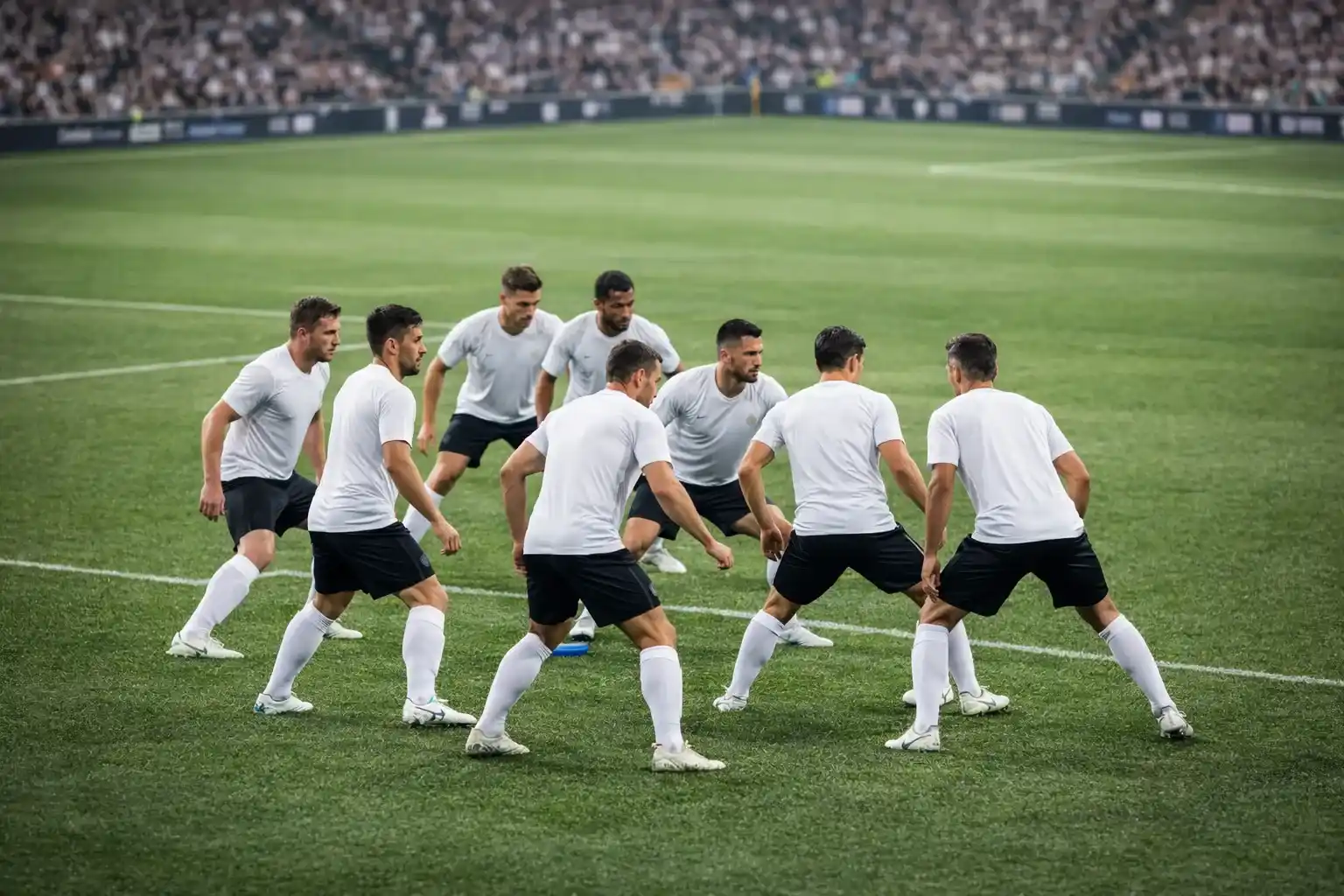
Defensive final dynamics have direct implications for multiple markets.
Under 2.5 goals becomes more attractive than season-long statistics suggest. The compression of attacking output in finals has been consistent enough across years to represent systematic value on unders when priced based on regular match data.
Correct score markets for 1-0 and 0-0 offer enhanced value. These scorelines occur more frequently in finals than in regular matches. If 1-0 prices around +600 and occurs 30% of the time in finals (either direction), significant value exists.
First half under 0.5 goals often offers value because defensive organisation is highest when players are fresh. The 57% rate of scoreless first halves in finals typically prices as though it were 45%.
Player shot and goalscorer markets should be adjusted downward from season averages. A striker averaging 2.5 shots per game in league football might only manage 1.5 shots in a final against elite, focused defenders.
Framework for Analyzing Defensive Tactics
When building your final betting strategy, explicitly account for defensive adjustments.
Research each team's knockout round defensive statistics separately from league statistics. Tournament football is already more defensive than league football; this provides better baseline than season-long data.
Identify which managers are known for final-specific defensive adjustments versus those who maintain their attacking identity. Adjust your expectations based on manager tendencies.
Assess the specific defensive matchups. Which attackers face which defenders? How have those individual matchups resolved in previous meetings?
The defensive dimension of Champions League finals creates systematic mispricings in goal markets. Bettors who recognise and exploit these mispricings capture value that casual bettors leave on the table.
Tactics often shift based on managerial approaches to high-stakes games.
