 ChampLeagueFinalBet
Player Shots Markets: Reading Attempts
 Available in US

Player shots markets have grown from niche offerings into mainstream betting options, particularly for major finals. These markets ask whether a specific player will take a certain number of shots or shots on target during the match. Unlike goalscorer markets that depend on conversion, shots markets reward volume regardless of whether attempts find the net.
The distinction matters enormously in Champions League finals. A player might have four shots blocked or saved while the goalkeeper makes a crucial stop, producing zero goals but potentially winning shots bets comfortably. The market measures contribution to attacks rather than just finishing, which in finals can be a more predictable outcome.
Track shooting accuracy from our final wagering site.
Understanding Shots Market Structures
Bookmakers typically offer player shots in two forms: total shots and shots on target. Each has different dynamics and value opportunities.
Total shots include all attempts regardless of outcome: blocked shots, shots wide, shots saved, and goals. If a player strikes the ball toward goal and a defender blocks it, that counts as a shot. If they blast over the bar from distance, that counts too. The threshold for hitting this market is lower than shots on target because more attempts qualify.
Shots on target require the attempt to either score or force a save from the goalkeeper. Blocked shots do not count, and neither do attempts that miss the frame entirely. This is a higher bar that fewer players consistently clear, but the odds reflect this difficulty.
Common lines are over/under 0.5, 1.5, and 2.5 for each category. A shot-happy winger might have over 1.5 total shots priced at -150, while their over 0.5 shots on target sits at +110. The pricing relationship between total shots and shots on target for the same player reveals market assessment of their accuracy and shot quality.
How Finals Affect Shot Patterns
Champions League finals produce fewer shots than typical knockout matches because defensive organisation is superior and attacking risks are minimised. The 2024-25 league phase averaged over 13 total shots per team per match. Finals rarely approach that number, with 8-10 shots per team being more common.
This compression affects all players, but the reduction is not uniform. Elite creators and primary attacking threats maintain relatively close to their normal shot volumes because their teams still run plays through them. Secondary attackers and midfielders see larger percentage declines because finals focus attacking resources on the best options.
The implication for bettors is that shots markets on star forwards often retain value while those on supporting players become less attractive. If a winger normally takes 2.5 shots per match but drops to 1.8 in finals due to reduced opportunity, their over 2.5 shots line at +150 is much less attractive than it appears.
Identifying Shot Volume Players
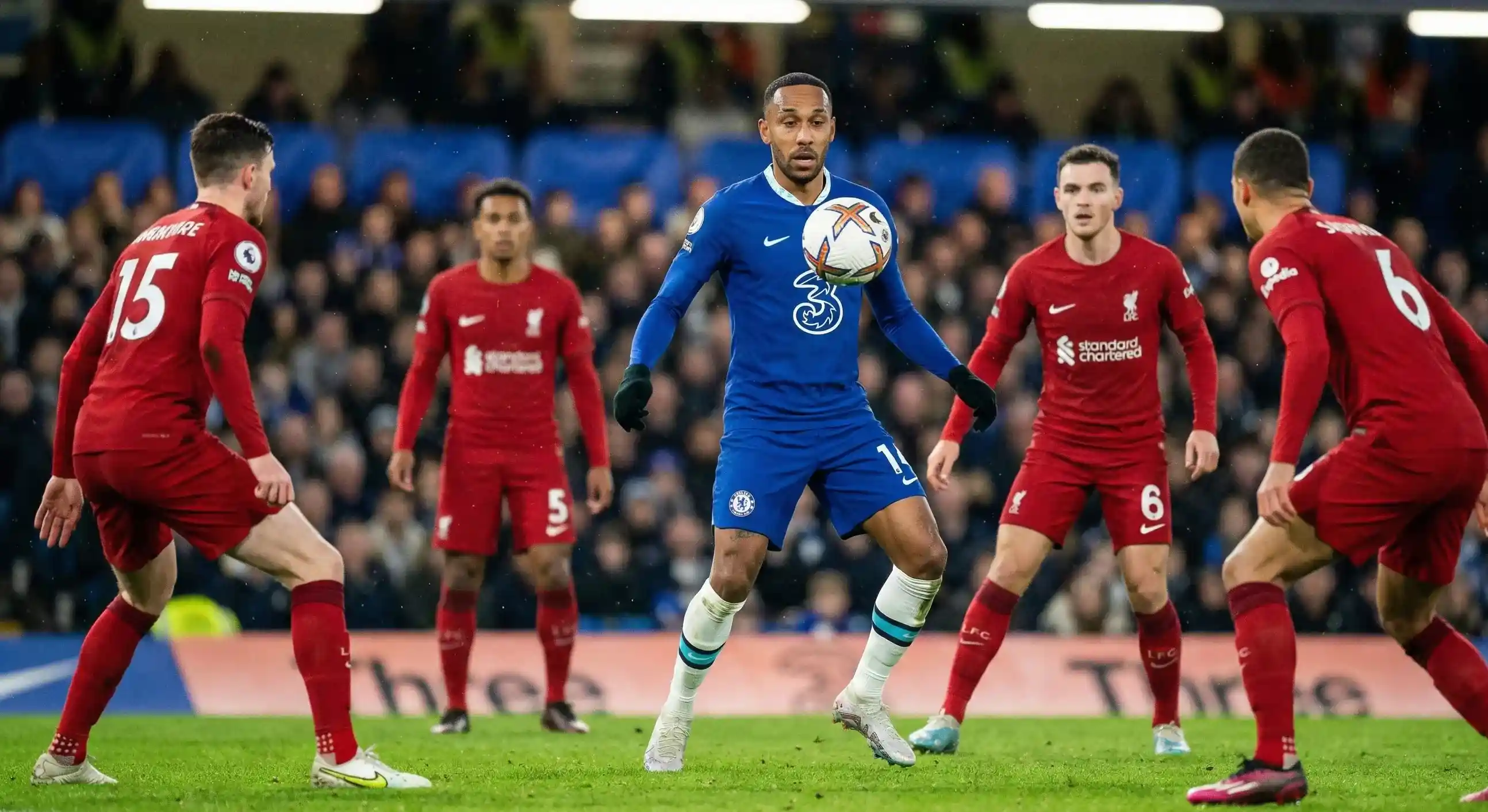
Certain players consistently produce high shot volumes regardless of match context. These are typically primary attackers whose teams design specifically to create opportunities for them. Identifying these players for each finalist is the starting point for shots market analysis.
Expected goals (xG) data helps identify shot volume because it tracks attempts and their quality. A player with 0.7 xG per match is typically taking multiple shots of varying quality. High xG players are primary finishing options for their teams and should maintain reasonable shot volumes even in finals.
Playing position affects shot expectation. Central strikers take more shots than wingers who take more than fullbacks. But within positions, significant variation exists. Some strikers are clinical finishers who take fewer but higher-quality shots. Others are volume shooters who fire frequently from any opportunity. The latter profile suits shots markets better.
Team tactics matter as much as individual tendency. A team that plays through the wings and crosses frequently creates fewer central shooting opportunities for their striker than one that plays through the middle. Analyse how each finalist attacks to understand where shots will originate.
Shots on Target Considerations
Shots on target markets require additional analysis beyond volume. A player can take four shots but if three are blocked and one is high, they register zero shots on target. The accuracy component matters.
Shot location within shots matters for target probability. Players who shoot primarily from inside the box have higher on-target percentages than those who attempt from distance. A midfielder who specialises in long-range efforts might take many shots but put few on frame. A striker who poaches in the six-yard box puts nearly everything on target but attempts fewer total shots.
Final-specific factors complicate on-target rates. Defensive blocks increase in finals because defenders commit fully to shot-blocking when every goal could decide the trophy. Shots that would typically reach the goalkeeper are intercepted before arrival. This inflates total shots relative to shots on target.
Goalkeeper quality also matters indirectly. If facing a world-class goalkeeper, some attackers subconsciously try more difficult finishes rather than making the keeper work with straightforward efforts. This can reduce shots on target as players blast for corners rather than placing centrally.
Price Comparison and Value Identification
Shots markets are relatively new offerings where bookmaker pricing efficiency varies significantly. Some books have developed sophisticated models while others price based on simple averages without contextual adjustment. This inconsistency creates value opportunities for bettors who research thoroughly.
Compare the same player's shots line across multiple bookmakers. You might find over 1.5 total shots at -140 at one book and -110 at another. This variance is larger than in mature markets like match result, reflecting the developing nature of shots pricing.
Check whether the bookmaker adjusts for final-specific factors or simply uses season averages. A player averaging 2.8 shots per match in the tournament might be priced for that rate even though finals typically produce reduced shot volumes. Books that fail to adjust offer value on unders that look fairly priced based on raw numbers.
The relationship between a player's shots line and their goalscorer odds reveals market consistency. If a player is priced at +200 for anytime goalscorer but also +200 for over 0.5 shots on target, something is misaligned. A player cannot score without a shot on target, so goalscorer probability should be meaningfully lower than shots on target probability. Discrepancies suggest mispricing in one market or the other.
Tactical Analysis for Shots
Understanding each team's likely tactical approach helps predict shot distribution. If one team is expected to dominate possession, their players will have more shooting opportunities. If the match is expected to be end-to-end, both sides will create chances and generate shots.
The underdog's shot distribution often differs from the favourite's. Underdogs might concentrate their attempts through counter-attacks, meaning their fast forwards take more shots while midfielders take fewer. Favourites with sustained possession might spread shots across more players as various attackers rotate into shooting positions.
Set pieces affect shot totals because corners and free kicks generate attempts. Teams with tall, physical players create more shots from dead balls. Players who attack the near post or arrive late at the back post for set pieces accumulate shots that would not occur in open play.
Playing time obviously correlates with shots. A player substituted at sixty minutes has less opportunity than one playing the full match. If extra time occurs, those additional thirty minutes significantly boost shot opportunities. Consider likely substitution patterns when evaluating shots lines.
Live Betting on Shots
Shots markets remain open during matches on most platforms, with lines adjusting based on shots already taken. This creates distinct opportunities from pre-match betting.
If a player has zero shots at halftime despite your expectation of high volume, their live over 1.5 or over 2.5 odds will have extended significantly. If you believe the player will still produce shots in the second half due to tactical changes or the match opening up, live betting captures better value than pre-match.
Monitor the match situation to predict shot volume changes. A team that falls behind will push forward aggressively, increasing shot opportunities for their attackers. A team protecting a lead might sit deep and take fewer shots while conceding more. This shift affects which players offer value on live shots lines.
The final twenty minutes typically produce the highest shot density as both teams tire and gaps appear. Backing players still on the pitch at seventy minutes for over 0.5 shots or similar low thresholds often offers value because the market underweights late-game desperation.
Combining Shots with Other Markets
Shots bets can complement or hedge other positions. If you have backed a player for anytime goalscorer, adding their shots on target over provides a partial hedge: they can win the shots bet without scoring if their attempts are saved.
Same-game accumulators incorporating shots require careful construction. Combining a player to score with over 1.5 shots on target for the same player adds correlation: if they score, they automatically have at least one shot on target. This positive correlation means the combined odds should theoretically be lower than treating the events as independent.
Avoid contradictory combinations. Backing under 2.5 total match goals while also taking multiple players for over 2.5 shots creates tension: low-scoring matches typically feature fewer shots. Ensure your positions reflect a coherent view of how the match will unfold.
Practical Strategy

Build a shots profile for each likely final participant by tracking their shot volumes throughout the tournament. Note how they perform in tight knockout matches versus group stage matches against weaker opposition. The knockout match data is more predictive of final behaviour.
Focus on players whose shot volume is central to their team's attacking identity. If a team's entire attack runs through one player who takes the majority of their shots, that player's shots line is more predictable than a secondary attacker's.
These individual stats often influence anytime goalscorer odds.
Set realistic expectations for hit rate. Even well-researched shots bets will miss regularly because individual match variance is high. A player might take four shots in one final and zero in another with identical tactical setups. Size your stakes to account for this variance while maintaining the ability to profit from your edge over time.
The shots market rewards those who understand tactical context, volume patterns, and the specific dynamics of finals. It offers an alternative path to profit for bettors willing to move beyond traditional goalscorer and match result markets into this emerging category.
